

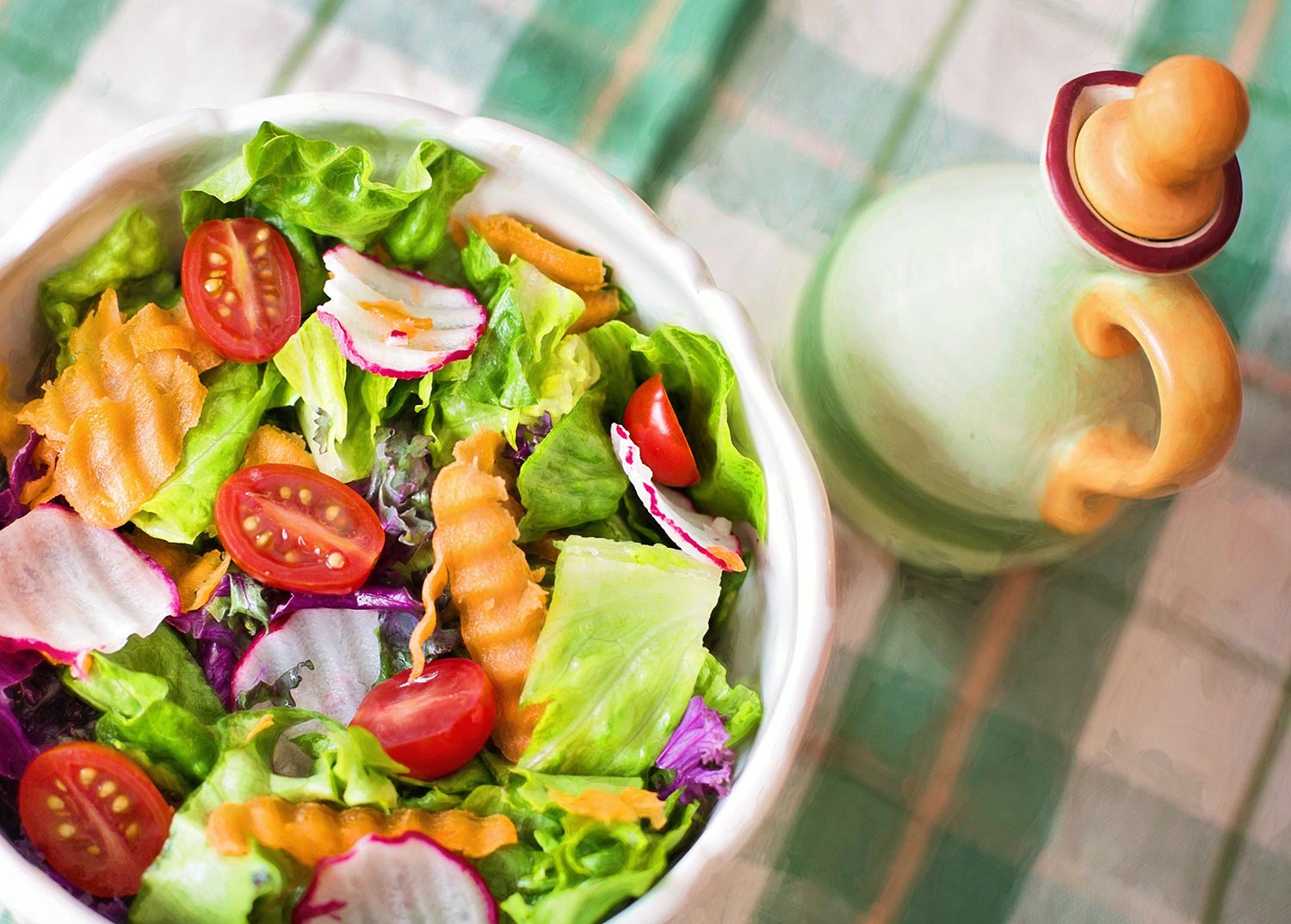
Eat To Achieve: How To Choose The Right Diet For Your Goals
For fitness lovers, the right diet is essential to achieving the body you want (otherwise, all that hard work in the gym can be for nothing). In this article, I will explore how to match your individual eating habits to your goals for the best outcome. Carry on reading for more.
There is no universal ‘correct’ diet for everyone. Nevertheless, it is important to focus on sustainable, nutrient-dense whole foods each day. That said, you need to tailor your meal plan to your lifestyle and specific health needs. I will discuss more in the following points.
Weight Loss
Weight loss heavily relies on cutting calories – when you consume fewer calories, it forces your body to begin burning fat for energy. Calories are in almost every type of food, but high numbers are found specifically in processed foods that are high in saturated/trans fats or refined carbs (with added sugar). In order to limit your calories and lose weight, consider these points –
- Restricting processed foods: Eat less cakes, sweets, crisps, soft drinks and microwave meals.
- Focusing on whole foods: Stick to whole grains, lean proteins, fruits and vegetables.
- Controlling portions: Smaller servings also lead to fewer calories.
- Staying hydrated: Drinking more water is also an effective way to stave off hunger, especially if you’re eating less.
There are an abundance of fad diets that promise weight-loss results, but not all of them are sustainable (especially in the long term). One method is calorie counting, though some may find this excessive. Another great option worth exploring is meal replacements (such as sites like https://www.shakethatweight.co.uk/shop/meals/), which help you easily stick to your nutritional plan while ensuring your body gets the best protein, carbs, fats, and vitamins.
Clean Bulking
If you are looking to gain muscle, you need to use the opposite strategy: upping your calorie intake. But you need to take the ‘clean bulking’ approach, as eating the wrong type of calories will make you gain fat rather than muscle. Follow these tips to lead you in the right direction –
- Eating more lean proteins: Protein is vital for repairing and building muscle. Many protein-rich foods are high in fat, so you must focus on lean proteins, which include chicken breast, turkey, white fish, tofu, cottage cheese, Greek yoghurt and eggs.
- Consuming healthy fats: Healthy fats can also provide calories without negatively affecting cholesterol. Popular sources of healthy fats include avocados, peanut butter and seeds.
- Prioritising complex carbs: It is essential that the majority of your calories come from carbs rather than fat. Select complex carbs that provide long-term energy for workouts, like oats, brown rice, whole-wheat pasta, or quinoa.
Practising a successful clean bulk also requires the correct exercise regime – primarily weight training or static exercises which target the muscles. Additionally, make sure to prioritise protein intake immediately after your workouts to optimise muscle recovery and growth.
Endurance Training
If you are training for a marathon or preparing for a mountain climb, you need to consider a diet that provides you with enough energy during long workouts. This will involve focusing on a few specific foods and nutrients –
- Prioritising carb-rich foods: Pasta, rice, and starchy vegetables should dominate your diet to provide a steady energy reserve.
- Regularly hydrate: Aim to drink at least half your body weight in water to replace fluids lost through sweating and fuel for your muscles.
- Replenishing electrolytes: Remember to maintain a steady intake of sodium and potassium during workouts – sports drinks and salt capsules are an excellent choice. Although ‘real’ foods like raisins, pretzels, and bananas work wonders too.
Your timing will also make a huge difference with endurance training – plan to eat a carb-heavy meal (or a snack) 1-3 hours before you train. During your exercise sessions, focus on fluids. Afterwards, opt for meals high in carbs and protein to support muscle repair.
Lower Blood Pressure
For those with high blood pressure, diet can significantly affect their levels. To lower your blood pressure naturally, check out the DASH (Dietary Approach to Stop Hypertension) diet –
- Upping fruit, vegetables, and whole grains: One of the main components of the DASH diet, which helps reduce excessive sugar and salt intake.
- Eating low-fat dairy: Aim to reduce your intake of saturated fats while also obtaining plenty of calcium by choosing low-fat milk and yoghurt.
- Limiting salt and sugar: Sodium and sugar directly spike blood pressure. Cut back on sources of excess salt, such as canned and processed foods, and aim to use less added salt during cooking. Also, place a firm limit on sugary drinks.
- Consider potassium-rich foods: Bananas, spinach, and sweet potatoes can help mitigate the impact of sodium on your blood pressure.
Even though the DASH diet is widely regarded as a fantastic way to reduce blood pressure, there are other options on the table that can boost your overall heart health, like the Mediterranean diet (which incorporates a lot of omega-3s). When you are exploring ways to lower your blood pressure, consider other factors beyond diet that are harmful to your health (such as stress, smoking, and drinking).
Diabetes Management
If you have been diagnosed with diabetes, you likely need to make some important adjustments to your diet to stabilise your blood sugars. This typically involves –
- Choosing low-GI (glycemic index) foods: Low-GI foods do not spike blood sugar levels, such as most fruits and whole grains (though lentils can help, too). Higher-GI foods should be viewed as occasional treats.
- Prioritising good fats and lean proteins: Reduce red and processed meats and replace with poultry, fish, nuts and plant-based proteins (and make a point to limit butter and cheese).
- Stick to a meal schedule: Aim for meals 4 to 5 hours apart, with little snacking in between.
- Reduce your portions: To avoid eating too many carbs, consider cutting back on your portions (especially if you eat a lot throughout the day).
If you need further help, you can employ a nutritionist to help you choose the best foods for you (and even design a unique plan) and for your type of diabetes. Additionally, consider exploring specially engineered foods like diabetic ice cream to help you fight off those sweet-tooth cravings!
Lower Carbon Footprint
Your goals may not always be related to health or fitness performance. Instead, you may simply want to reduce the negative impact on the planet as a whole. In this case, there are a number of foods available –
- Limiting meat and dairy: Switching to a fully (or partially) vegetarian/vegan diet can have a massive positive impact on the environment (meat and dairy farming contribute a large amount toward emissions).
- Select local and seasonal produce: Local foods, which don’t have to be shipped long distances, result in fewer carbon emissions. Look for food that is grown in the UK – especially by farmers in your area.
- Grow your own food: Home-grown food doesn’t require shipping, and you can ensure it is organic. Even growing a few vegetables makes a substantial difference.
Limiting food waste is also vital for helping the planet. Be sure to eat leftovers and do not let food go to waste. For further information on this topic, check this article on environmentally friendly dieting – https://www.bbcgoodfood.com/health/special-diets/which-diet-is-the-most-environmentally-friendly.
Thanks for reading my latest post on fitness and weight loss. Remember to check back for regular lifestyle updates. Additionally, feel free to leave a comment below for more information.
