

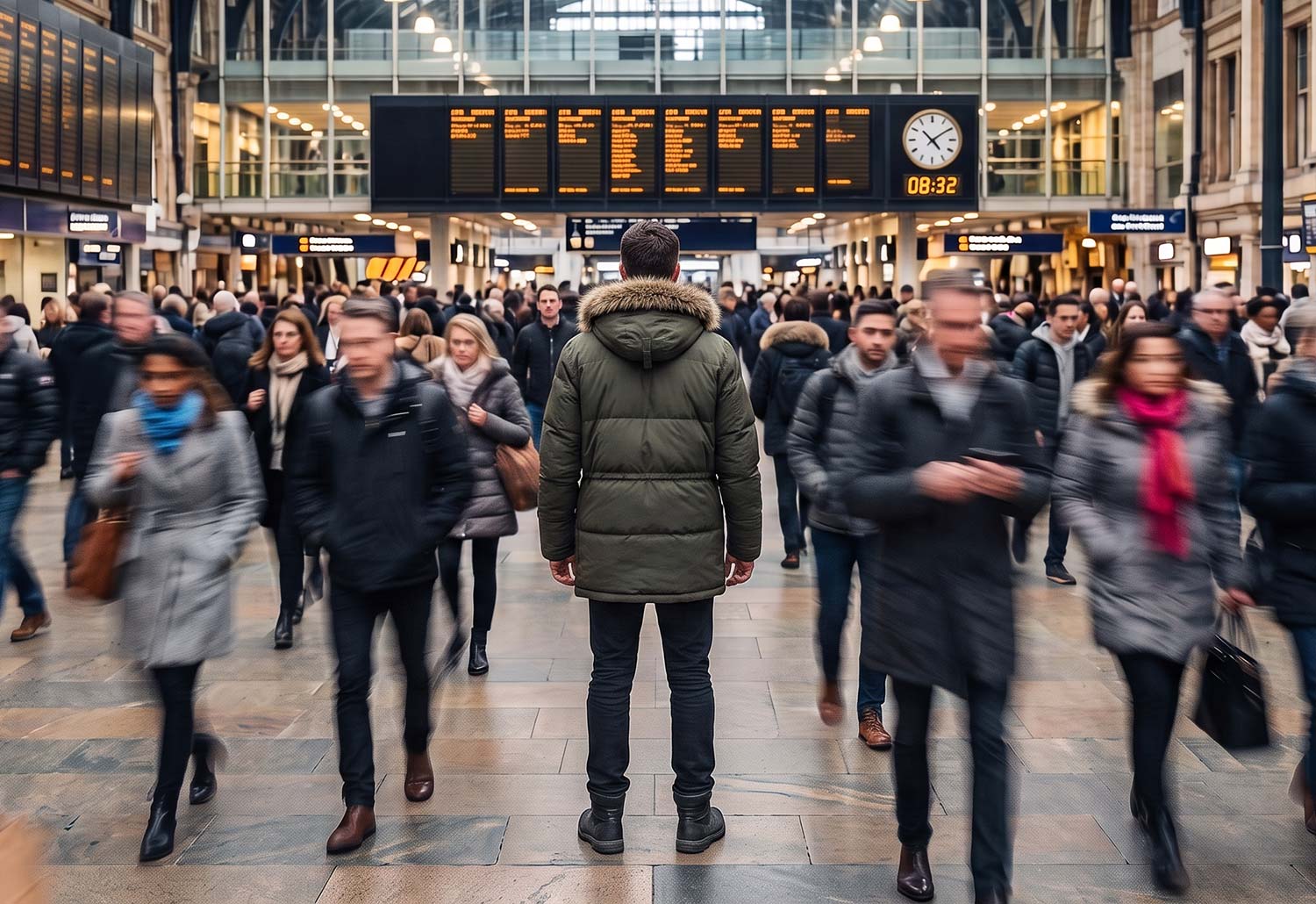
Smart Moves: Protecting Yourself On The Go
Being aware of your surroundings isn’t just a cliché; it’s a fundamental skill for modern life. When you’re navigating your daily commute or exploring an unfamiliar city, foresight goes a long way.
It’s not about living in a constant state of alert but about building smart, simple habits that become second nature. This lets you move through your day with confidence, knowing you’re prepared for whatever comes your way. Whether you’re navigating city streets or relying on public transportation safety, being proactive about your well-being is always a smart strategy.
From using public transport to hopping in a rideshare, these practical tips will help you stay safe and in control when you’re out and about. Let’s discover more in my latest lifestyle article.
Everyday Safety Habits
Personal safety starts with your daily routine. The most effective strategies are the ones you don’t have to think about. One of the most effective tactics is simply paying attention.
When you’re walking, especially in crowded or unfamiliar areas, try to keep your phone in your pocket and your head up. This not only makes you more aware of what’s around you but also projects confidence, which can deter unwanted attention.
Think about how you carry your valuables – a wallet in a back pocket is an easy target. Consider moving it to a front pocket or an inside jacket pocket. For your phone, avoid setting it down on tables at cafes or bars where it can be quickly snatched. These small adjustments don’t take much effort but can make a big difference in protecting your belongings.
Navigating Public Transport Wisely
Buses, trains and subways are efficient ways to get around, but they have their own things to consider. Before you even leave, plan your route. Fumbling with a map or your phone at a busy station can make you stand out as a tourist and a potential target.
Pay special attention when travelling at night; try to wait in well-lit areas near other people or transit employees. Once you’re on board, stay aware of your stops and keep your bags close, preferably on your lap or between your feet. If a particular train car or bus feels uncomfortably empty or tense, don’t hesitate to move to another one at the next stop. There are many simple hacks to stay safe that can be applied in any new environment.
Rideshare Safety Essentials
Rideshare apps have made getting around incredibly convenient, but taking a few verification steps is crucial. Before getting into any vehicle, always match the license plate, car model, and driver photo with the information in your app – never get into a car that doesn’t match. It’s also a good practice to ask the driver, “Who are you here to pick up?” They should know your name without you having to offer it first. Once you’re in the car, share your trip status with a friend or family member using the app’s built-in feature. This lets someone you trust track your journey in real time.
While you hope it never happens, accidents can occur. It’s good to know that as a passenger, you have recourse. In many situations, you may be able to make a claim even if you weren’t driving, as you were relying on the driver’s professional duty of care.
When The Unexpected Happens
Sometimes, despite your best efforts, you might find yourself in an uncomfortable situation. Your intuition is your most important tool. If a person or situation feels off, it probably is. Trust that gut feeling and act on it. Your first move should be to create distance and move toward a safer, more public space.
If you think you’re being followed, cross the street and change your direction. If the person mirrors your movements, head for a well-lit, open business like a coffee shop, grocery store or hotel lobby. Don’t be afraid to approach an employee and explain what’s happening. The goal isn’t to confront but to de-escalate and remove yourself from potential harm.
Understanding Your Rights
After an incident like a traffic collision, theft, or another issue, knowing what to do can help you regain a sense of control. If you are involved in any kind of vehicle accident, your priority is to check for injuries and call for medical help if needed. If it’s safe, document the scene with photos and exchange information with the other people involved.
Reporting the incident to the proper authorities, like the police, creates an official record that can be essential later on. It’s important to understand that as a passenger or pedestrian, you have rights. Taking the time to learn about your options after an incident ensures you can protect your interests and access any support you may be entitled to.
Staying safe on the go isn’t about paranoia; it’s about preparation. Turning these smart moves into habits helps you handle your daily travels and new adventures with an added layer of confidence.
Hopefully, the tips in my latest post will help you in the future (whether you’re close to home or in uncharted territory) to protect yourself and your valuables until you are safely back home or in your booked accommodation or hotel.
Thanks for reading. Remember to check back for frequent content and updates.
