

How To Choose A Winter Suit For Special Occasions
Winter brings a variety of different occasions that call for you to dress up, from formal dinners to candlelit weddings. Yet it also presents a common challenge: finding a new suit that looks the part on chilly evenings while versatile enough to be worn more than just “once”. Whether you have been eyeing that rich brown number or a deep navy three-piece, this guide will walk you through how to pick a suit that fits any occasion and your personal style. Continue reading to discover more.
Start With The Invitation
The fabric and colour of the suit you choose ultimately depend on the dress code. For example, a winter wedding at a downtown hotel calls for a different suit than what you’d wear to a casual, romantic dinner.
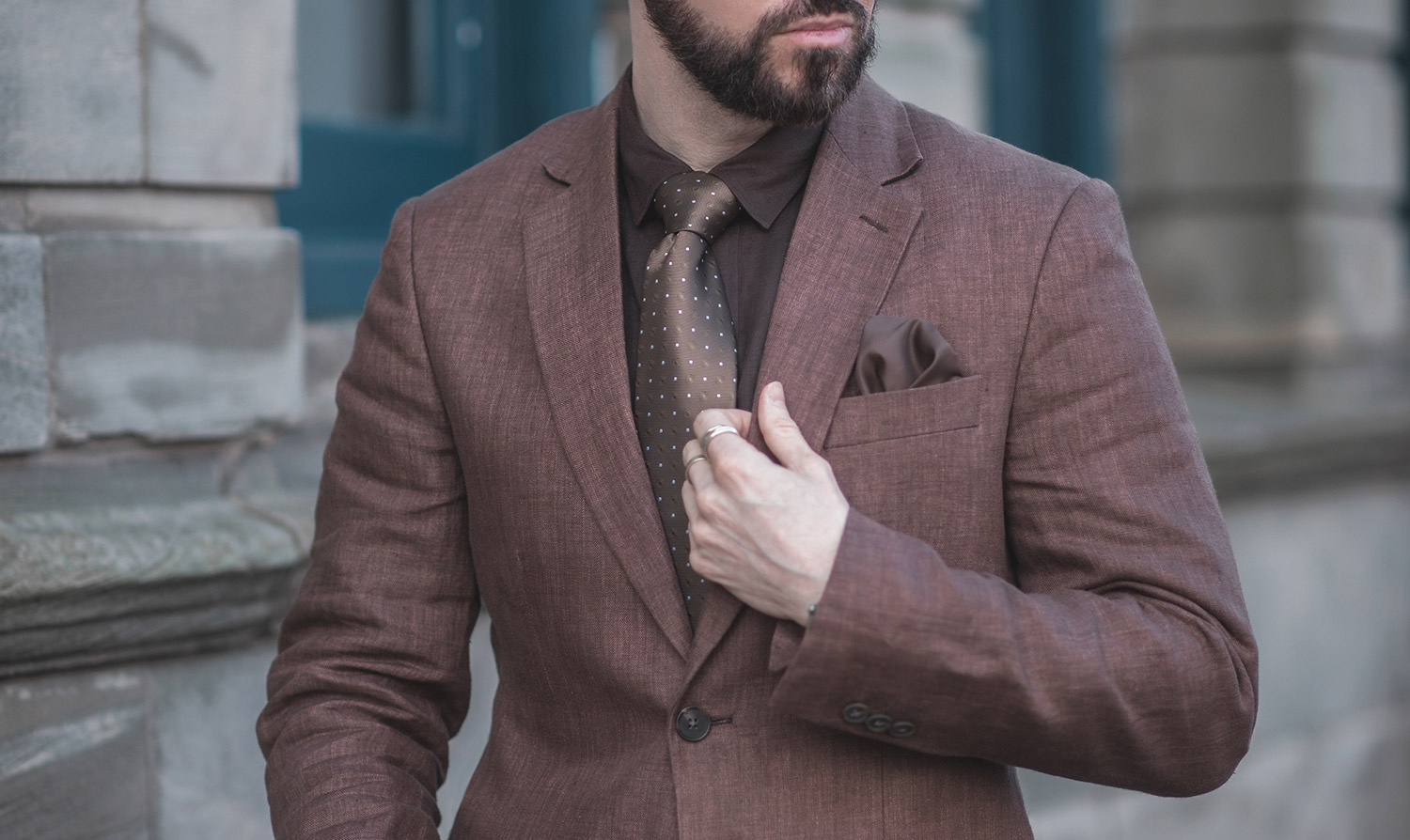
For more in-depth examples, we have a navy or charcoal suit, a dress shirt and tie, and leather shoes, which is perfect cocktail attire. Alternatively, for a less formal option, choose a brown, textured suit (which also works for a formal daytime event). For an ultra-glam black-tie event, you can never go wrong with a tuxedo paired with a black bow tie, which is appropriate for the setting and enhances the entire ensemble.
It is highly recommended to confirm with the hosts on the exact dress code (especially before splashing out on something new), as you don’t want to wear something inappropriate!
Choose Fabric For The Entire Evening
A winter suit should work for more than just the distance walking from the car to the venue. You’ll need to consider how much time you will spend outdoors, whether the venue is heated, and how actively you expect to move at the venue.
For snowy or colder weather, wool and wool blends can help keep you warm while looking fashionable on point. Flannel offers a soft, textured look, while smoother suit fabrics work well for dressier settings.
For a top tip when choosing a winter suit, always double-check the fabric composition, weight, and the lining, which will allow you to make a better-informed decision on warmth, much better than images on a website or in a magazine. Photos (with fancy lighting and digital editing) can often be misleading, but the material details will always give you a much better idea of what to expect.
If the event is scheduled to be mostly indoors, a medium-weight suit paired with a warm overcoat will be more comfortable than heavy tailoring. Furthermore, you can add or remove layers on the fly to avoid feeling too hot or too cold. Try everything on together in advance to make sure you have enough room to move and feel comfortable.
Explore Colour Beyond Black
In most cases, guys will jump straight to black, and more black, for their winter getups. However, there are so many other colours that can help you stand out in a crowd. Navy, grey, and charcoal are eye-catching and practical starting points, as they pair easily with different shirts and accessories. Chocolate brown and espresso are also appealing choices for winter, adding a subtle contrasting warmth effect.
Nevertheless, you should always choose a shade that complements your skin tone (and doesn’t wash you out, especially during the cool season), which can also add a personal touch to your ensemble.
After evaluating your current wardrobe pieces and discovering you need to invest in new gear, it can be overwhelming trying to find new formalwear. Look for a brand that offers men’s suits in a wide range of cuts, styles, colours, and fabrics, and that works beyond this upcoming occasion (for example, date nights, weddings, or fashionable events).
Prioritise Fit And Movement
One of the most important factors when buying a new suit is that it should feel comfortable while sitting through dinner, reaching for a glass, or even stepping out onto the dance floor.
Always check the shoulders first – the jacket must sit cleanly without pulling or any obvious overhang. When it is buttoned, it should follow your torso without forming a tight “X” across the front. The trousers need to allow an entirely comfortable level of movement throughout the seat and also the thighs.
Next, try on the suit with your intended shirt and shoes to make sure everything works together as a cohesive whole; this will allow you time for alterations (no last-minute rushes!), especially the sleeves and trouser hems (also, remember to include these costs in your budget).
Change The Styling For The Occasion
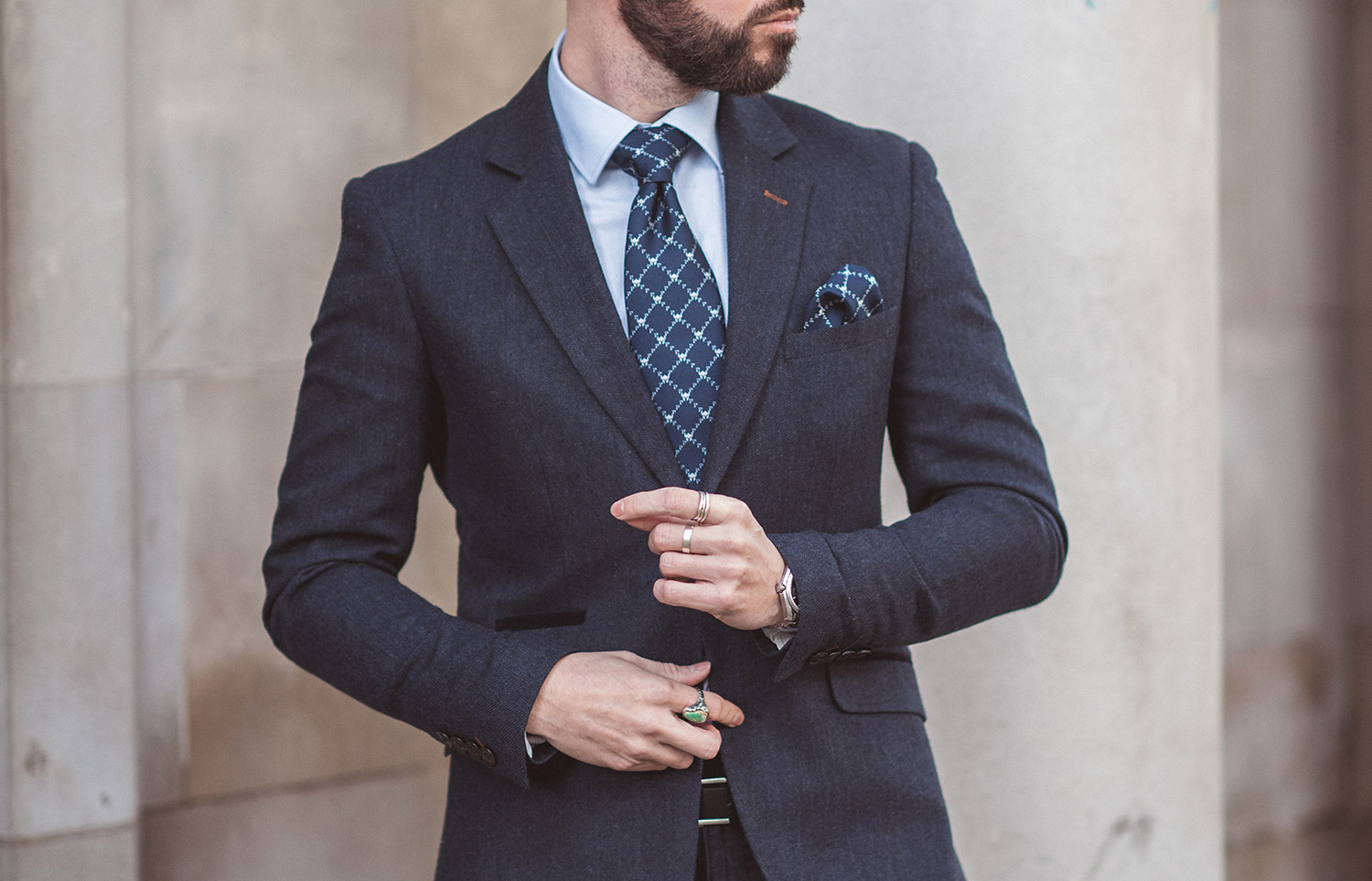
By taking advantage of a few key swaps, your new suit can offer several different uses. For a wedding, go for the classic dress shirt, tie, and a simple (yet effective) pocket square. Keep the accessories fully coordinated with the look, but try to avoid anything matching too much!
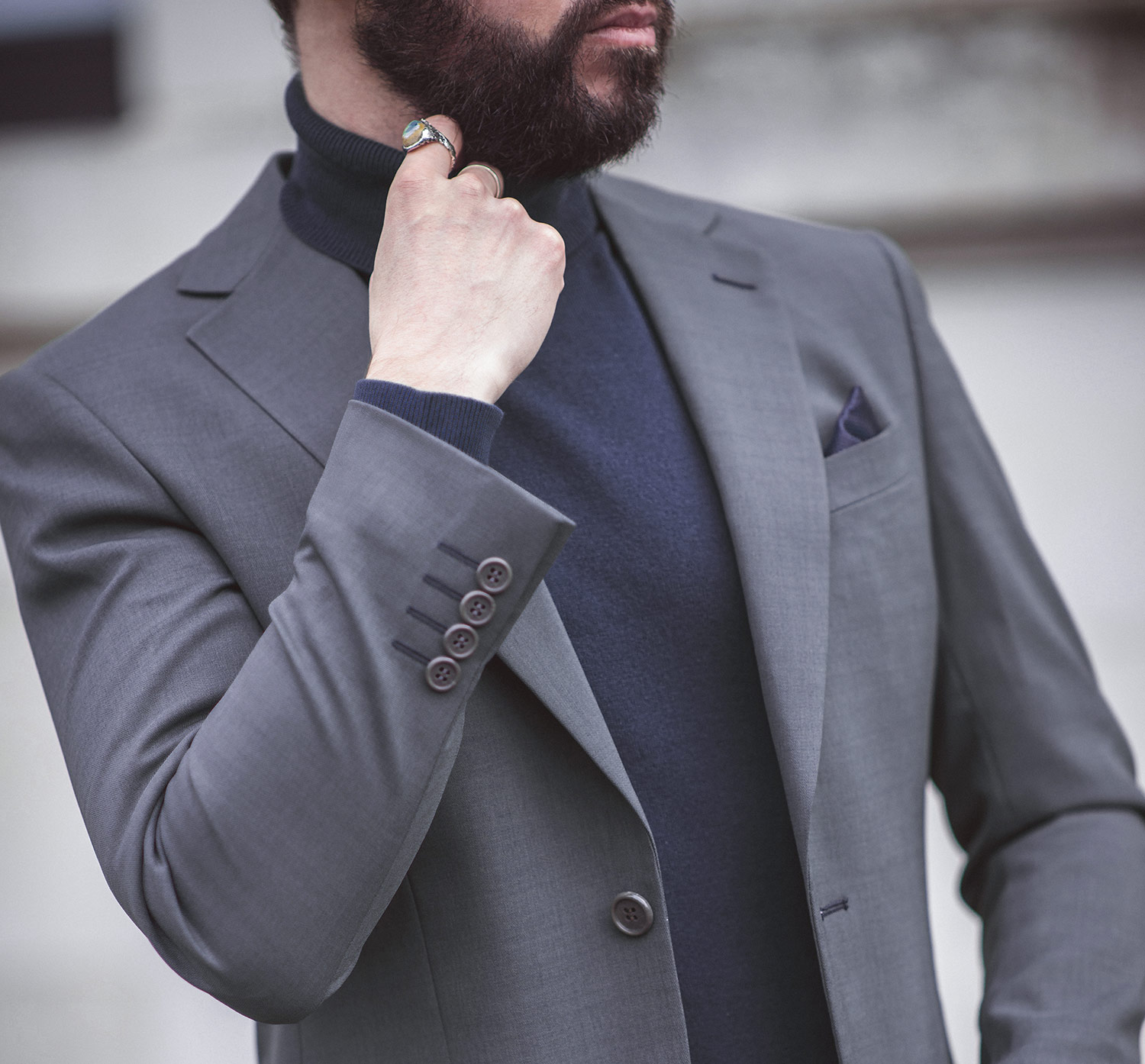
If you are heading to a date at a restaurant with a relaxed dress code, choose an open-collar shirt or a fine-gauge turtleneck (check that the knit fits comfortably beneath the jacket, and displays a fitted, but not too tight, silhouette). Finish everything off with a smart pair of clean shoes, socks that cover your ankles when seated, and an overcoat thrown over the top that neatly fits over your tailoring.
When you have all these little extras handled to a T, your winter suit can comfortably carry you from that upcoming celebration to your next dinner reservation.
Let me know your thoughts on this style guide in the comments section below.
