

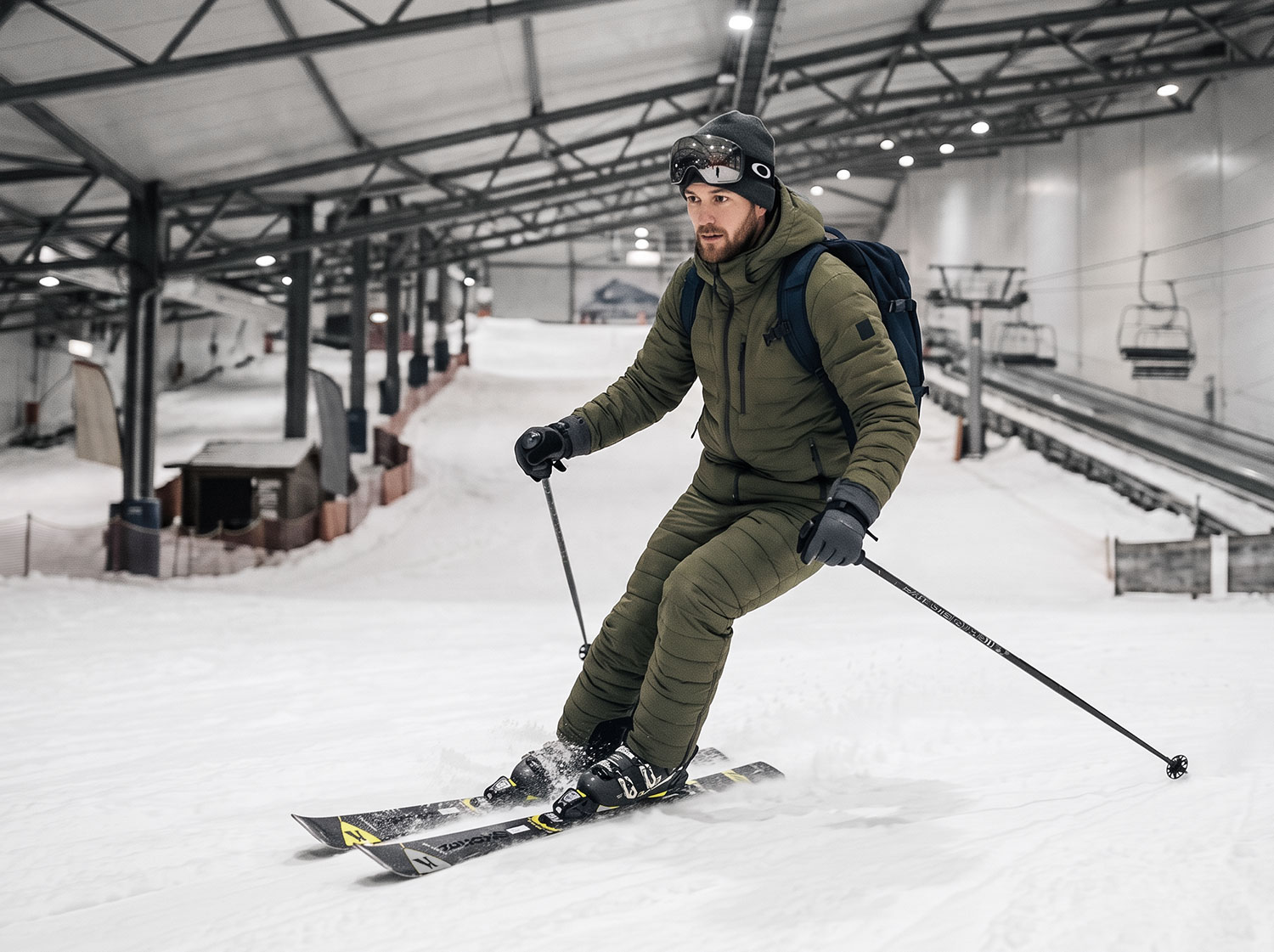
What To Wear For Indoor Skiing: A Guide To Snow Sessions
Indoor skiing and snowboarding are a brilliant way to get a taste of the slopes without waiting for a winter holiday abroad, whether it’s your first time on skis, a fun day out with mates, or something a bit different to try as a couple. An indoor slope gives you adventure, a proper workout, and plenty of moments worth remembering.
Naturally, what you wear can make or break the day – you want to stay warm, feel comfortable, and be able to move freely, but none of that means giving up on looking good. Get your layering right and pick sensible pieces, and you’ll manage to stay stylish while being properly prepared for the cold. Let’s find out more in my latest article.
A Couples Getaway
If you’re after a change from the usual dinner-and-a-film routine, indoor skiing is a genuinely refreshing option for couples on the hunt for an activity-based adventure. If you are based in the UK, you’ll find a wide variety of centres and resorts. For example, if you’re looking for date ideas in Hertfordshire (which is close to central London and its transport network), you’ll find quality slopes for couples who want to try something new, and an indoor session mixes a real challenge with a shared experience you will both remember.
Start With The Right Base Layer
Every quality winter outfit starts with the base layer. You’ll be moving about constantly while skiing or boarding, so getting this first layer right helps your body regulate its temperature and keeps you comfortable the whole way through.
Steer clear of bulky cotton T-shirts – they hang onto moisture and end up leaving you cold rather than warm. Instead opt for a lightweight thermal top in a fabric built to wick sweat away from your skin. Merino wool is the go-to here, since it’s breathable, naturally warm, and keeps odours under control (though modern synthetics do a solid job too!).
For your lower half, thermal leggings or base-layer trousers are a worthy investment. They add warmth without getting in the way of movement, so bending, turning, and generally getting on with your session becomes much easier.
Choose Practical Outerwear
Your outer layer is where the practical stuff really matters. A waterproof ski or snowboarding jacket keeps the cold, damp, and the occasional tumble in the snow from ruining your day.
When shopping, look for waterproofing, decent insulation, and adjustable cuffs. Fit matters just as much – too loose and it feels awkward when you’re moving about; too tight and you’ll struggle to move at all.
There’s no need to go for the loudest colours or boldest patterns (avoid those garish blues, yellows, and pinks!). Choose black, navy, grey, or olive for a timeless winter aesthetic that’s easy to mix with the rest of your wardrobe. A good jacket like this can even earn its keep well beyond the slope, working just as hard for everyday winter wear once you’re back on dry land.
Don’t Forget Your Trousers
Your favourite jeans might be a wardrobe staple, but they’ve got no place on the slope. Denim soaks up moisture, restricts movement, and gets uncomfortable fast once the cold sets in. Waterproof ski trousers are built from the ground up to let you move while keeping the snow out, so look for designs with adjustable waistbands and enough room underneath for a thermal layer.
A slimmer, more tailored cut can still look sharp, but comfort is the number one priority! You’ll appreciate the freedom to move when you’re picking up new skills or working on your technique.
Accessories That Complete The Look
Often, the small details make the biggest difference in comfort (indoors or out). Gloves matter a lot, since your hands are usually the first to feel the cold. Waterproof, insulated models that still let you grip your equipment firmly are your best bet.
A good pair of ski socks earns its place too – skip the everyday cotton pairs and grab ones made for skiing (offering proper warmth, cushioning, and moisture control built in to work with ski boots over longer sessions).
A hat or beanie comes in handy before and after your time on the slope, though you’ll need a helmet while you’re actually skiing or boarding. A decent helmet does more than protect you; it rounds off the whole look too.
The Après-Ski Influence On Everyday Style
Ski-inspired fashion has stuck around partly because so many of the pieces work just as well off the slope. Puffer jackets, knitted jumpers, fleeces, and sturdy boots have all found a permanent home in the winter wardrobe.
The trick to wearing this sort of thing casually is not overdoing it. Rather than piling on every winter trend at once, pick one or two statement pieces and keep everything else simple. A technical jacket over a plain jumper, dark jeans, and boots makes for a solid everyday winter outfit.
That way you get the best of both – gear that performs when you need it to, and clothing that still slots naturally into your normal wardrobe.
Prepare For Your First Indoor Ski Session
If skiing or boarding is new to you, the main thing is to turn up prepared and focus on enjoying yourself. Comfortable clothing that lets you move will help you feel more confident and make picking things up that bit easier.
You don’t need to overthink your outfit – a good base layer, waterproof outerwear, sensible trousers, and the right accessories are really all it takes. Get your clothing sorted, and you can focus on your technique instead of worrying about the cold.
Indoor skiing shows how fashion and lifestyle can work hand in hand. A good outfit isn’t just about how it looks; it should help you get more out of what you’re doing. Get the practical side right without losing your style, and you’ll step onto the slope feeling ready for whatever the session throws at you.
Are you a fan of skiing? Share your experiences in the comments section below.
