

What To Consider Before Buying Your Dream Car From Overseas
That dream car you’ve admired from afar (whether it’s been in a music video or a foreign-language movie), which is typically not sold in your home country, is now much more attainable! With just a few clicks, you can find perfect examples of classic European roadsters, iconic Japanese sports cars, or rugged off-roaders from anywhere in the world. However, finding the car is the easy part – getting it from an overseas seller into your driveway can often be a complex journey, filled with logistical hurdles, unexpected costs, and a mountain of paperwork!
Long before you send money to a seller halfway around the world, it’s vital to understand what you’re getting into – importing a car is a huge project that needs careful planning and a realistic budget. Let’s find out more in my latest article.
The True Cost: Beyond The Sticker Price
The price you agree on with the seller is just the start of your expenses – the final cost to get the car on the road can be much higher once you add all the other fees. Here’s a breakdown of what to expect:
- Shipping: This can cost anywhere from a couple of thousand pounds or dollars to much more, depending on where the car is coming from and whether you choose Roll-on/Roll-off (RoRo) or a dedicated container.
- Insurance: You’ll need to cover the vehicle while it’s being transported by cargo ship.
- Import Duties: This tax is based on a percentage of the car’s value. The rate changes, but it’s a high cost you can’t avoid.
- Port and Broker Fees: When the car arrives, you pay fees for handling at the port and for the customs broker who manages its entry.
- Modifications: The car might need changes to meet local safety and emissions standards, which can mean spending more at a specialised shop.
All these variables can make budgeting a nightmare. This is where professional car import services really help, as they can handle these steps and give you a clearer idea of the total cost.
Is Your Dream Car Even Legal Here?
Many countries have strict rules on which vehicles are allowed, and failing to comply can have serious consequences. Your car could be seized, sent back at your expense, or even destroyed. In the United States, for example, a vehicle must meet all Federal Motor Vehicle Safety Standards (FMVSS) and Environmental Protection Agency (EPA) emissions standards. For a car that was never officially sold in the US, proving it meets these rules is almost impossible and incredibly expensive.
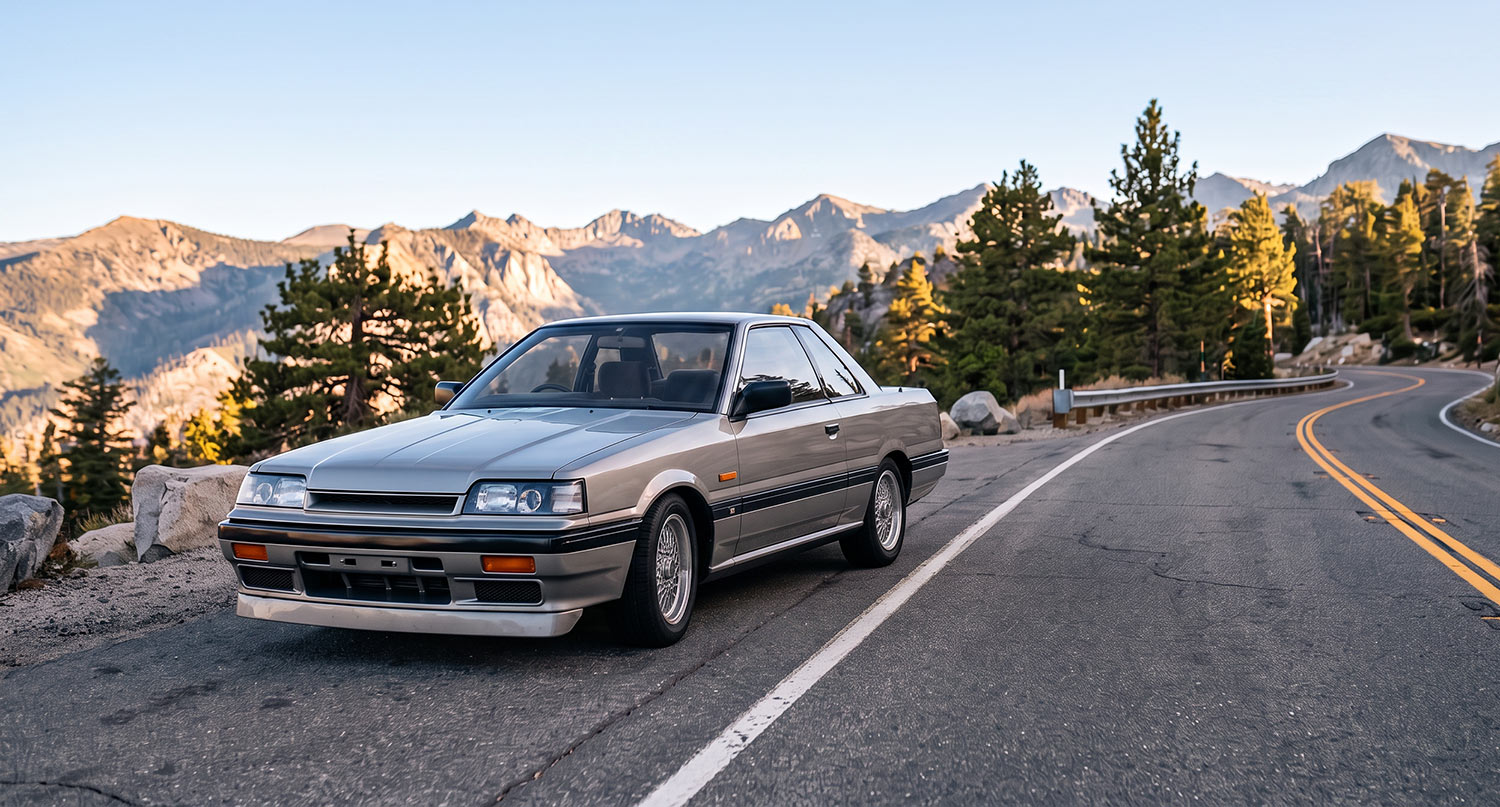
Nevertheless, there’s a well-known exception: the 25-Year Rule. If a vehicle is at least 25 years old (measured from its month of manufacture), it doesn’t need to meet modern FMVSS and EPA rules. This is why you see so many classic Skylines, Land Rover Defenders, and other foreign-market legends from the 80s and 90s on the road today. Before you even think about buying a car abroad, you must check its age and whether it’s eligible for import.
Navigating The Maze of Import Regulations
Importing a vehicle requires extensive paperwork. You’ll need the original title, bill of sale, and the specific customs and environmental forms. The process for importing a motor vehicle demands careful attention to every detail.
Any mistakes on your forms can cause long delays or rejection at the port. You’ll need to prove ownership and accurately declare the vehicle’s value. Customs officials are thorough, and they will check all the information you provide. Getting all your documents ready well in advance is crucial for a smooth process.
The Logistics Of Shipping And Modifications
Once you’ve bought the car and confirmed it’s legal, you have to get it home physically. The two main options are RoRo and container shipping. RoRo is like a giant car ferry where your vehicle is driven onto and off the ship. Container shipping, on the other hand, is more secure, as the car is locked inside a steel container for the journey, protecting it from weather and potential damage.
After the car arrives, it must pass a local safety inspection. This often means making modifications. For example, a car from Japan or the UK will have headlights aimed for driving on the left side of the road, which can blind oncoming drivers in the US or Europe (these concerns are then reversed if ordering an American car for British roads). These will need to be replaced or adjusted on arrival. The speedometer might show kilometres per hour (KPH) and may need to be converted or have MPH markings added.
Finding And Vetting An Overseas Seller
The riskiest part is dealing with a seller you’ve never met. There are plenty of cases where buyers sent money for cars that didn’t exist or were not as described. If you’re interested in buying a car with style, take time to check the seller and the car before sending any money.
Look for reviews and check their history on car forums. Ask for plenty of photos and a video showing the car running. You can also hire a local inspection service to check the car for you. Spending a few hundred on an inspection could save you thousands later. For payment, use a secure option like escrow so your money is protected until the car ships.
Importing a dream car takes time, research, and money. But when the car finally arrives, it can make all the effort worth it.
Are you considering importing a classic car from abroad? Please share more in the comments section below; I would be interested to hear your stories.
