

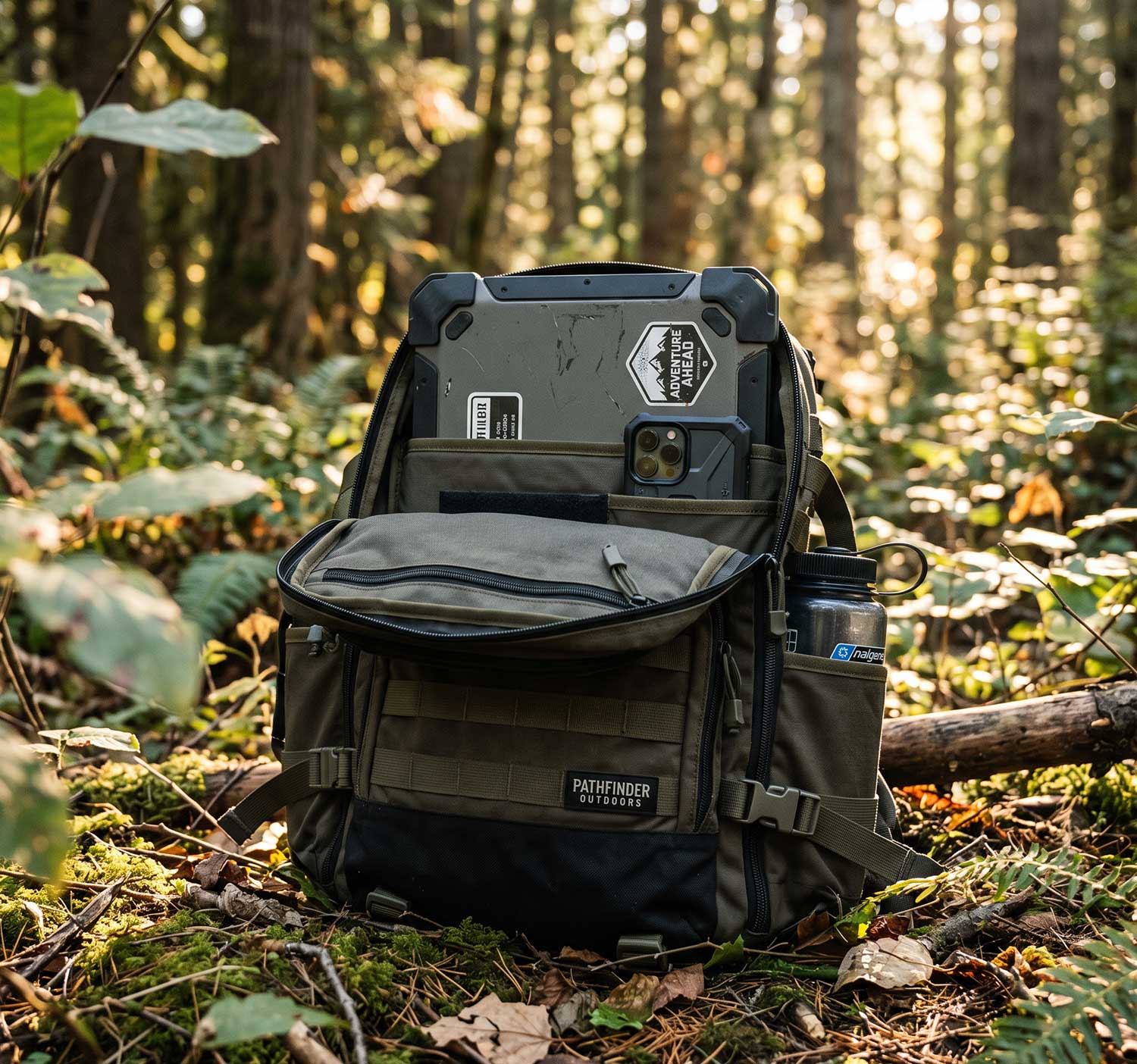
Essential Gear Protection For Your Tech Adventures
From your smartphone and laptop to your camera and drone, modern tech is a key part of any adventure and even daily life. Whether you’re documenting a cross-country road trip, staying connected on a business trip, or just heading to the beach for the day, your gadgets will invariably come along for the ride! But adventure is unpredictable, rugged, and exciting, which puts your expensive and sensitive equipment at risk. Taking a few thoughtful steps to protect your gear ensures it survives the journey and is ready when you need it most. Let’s find out more in my latest article.
Why Protecting Your Gadgets Matters
A broken device costs more than just replacing it – a cracked phone screen can make navigation impossible, and a water-damaged camera means losing irreplaceable photos from a once-in-a-lifetime trip. For many, a damaged laptop isn’t just a minor issue; it directly impacts their work and income.
Think about all the data on your devices – contacts, work files, personal documents, and countless memories. Some of this media might be backed up on the cloud, but much of it can be lost forever in an instant. Protecting your gadgets means protecting your investment, your memories, and your connection to the world. It’s a small effort that prevents major headaches later on.
Common Threats To Electronics
Your electronics face a surprising number of dangers once they leave your home or office. Understanding these threats is the very first step to protecting them effectively. The most common problems fall into a few key categories.
First, we have the obvious hazard – physical impact. Drops, bumps, and vibrations are a daily reality. A phone can easily slip from your hand onto concrete, or a backpack with a laptop can be carelessly tossed into a car trunk. Even constant, subtle vibrations during travel can loosen internal parts over time. There are many simple tips for safeguarding your gadgets from these everyday risks.
- Water: Rain, humidity, accidental spills, and full submersion are all bad news for electronics. Saltwater is especially corrosive and destructive.
- Dust and Sand: Tiny particles can get into ports, jacks, and crevices, causing charging issues, muffled audio, and scratches on screens and lenses.
- Temperature: Extreme heat can permanently damage batteries and make screens malfunction, while extreme cold can drain battery life in minutes and make plastics brittle.
Finally, don’t forget about theft and loss – tourist spots and busy transport hubs are common locations for opportunistic thieves. Simply misplacing a device can be just as final as having it stolen.
Choosing The Right Protective Case
A protective case is the most important accessory for any piece of tech – but not all cases are created equal! The flimsy silicone sleeve that works fine for your office commute simply won’t cut it on a mountain trail. The trick is to match the level of protection to your device and what you will be doing.
For everyday items like your smartphone, you can choose between slim, stylish cases that defend against minor scratches and more rugged, multi-layer cases that offer serious drop protection. For larger items (like laptops), a padded sleeve might be enough if you carry it inside another bag, but a hard-shell case is a better option for carrying it on its own.
For more specialised and fragile equipment, like camera bodies, lenses, or drones, you will need something tougher. This is where high-impact polymer hard cases with foam interiors become essential. The goal is to find a system that lets you transport your equipment with ease, safely and securely, no matter the conditions. These cases are often crushproof, dustproof, and waterproof, creating a sealed environment that shields your costly gear from the elements.
When you’re packing expensive and delicate items, this level of protection is a must! There are many strategies for protecting tech on trail, and a solid case is always at the top of the list.
Custom Solutions For Perfect Fit
The best hard cases in the world won’t do much if your gear is rattling around inside! A snug fit is absolutely crucial for absorbing shock, as it stops your devices from hitting the inner walls of the case during an impact. This is where custom foam inserts make all the difference.
Many high-quality cases arrive with “Pick-n-Pluck” foam, which is pre-cut in a grid pattern, allowing you to pull out small cubes of foam to create custom-shaped spots for each piece of your gear. It’s a great DIY solution that provides a secure, tailored fit for cameras, lenses, batteries, and accessories. Taking the time to lay out and pluck the foam correctly ensures every item has its own protected slot, stopping items from bumping into each other.
For those with complex kits or who want a more professional and durable setup, custom-cut foam is the ultimate solution. Using precise measurements for your equipment, a solid block of foam is machine-cut to create perfect-fit compartments. This method offers the best protection and organisation, and it’s an ideal option for professionals who need to keep their electronics safe and accessible at a moment’s notice.
Beyond Just Cases
While a good case is your primary defence, a truly effective protection strategy involves a few more layers. Think of these as supporting elements that work with your case to provide complete coverage.
A tempered glass screen protector is an absolute must for any device with a screen – it’s a thin, durable layer that absorbs impact from drops and prevents scratches from keys, sand, or other abrasive materials. It’s a tiny investment that can save you from a very expensive screen replacement!
For outdoor activities involving water (like kayaking or hiking in the rain), a dry bag is an excellent secondary line of defence. You can place your cased phone or entire camera bag inside a dry sack to guarantee it stays completely dry, even if submerged.
Digital Security Measures
Don’t overlook digital security, especially when travelling. The rules for handling electronic devices abroad often highlight the risk of data theft. Using a VPN on public Wi-Fi networks protects your data from being intercepted, and enabling features like “Find My Phone” can help to locate a lost or stolen device. Proper cable management also helps, as organised cords are far less likely to get snagged, bent, or broken.
Investing in quality protection for your tech isn’t an expense; it’s insurance for the tools that capture your memories and keep you connected. Choosing the right gear and thinking in layers helps you focus on the adventure, confident that your gadgets are safe and sound.
Thanks for reading my newest tech article. Remember to check back in for regular content updates.
