
Red Light Therapy Head-to-Head – RLT Compact vs Platinum Biomax 600
Red light therapy is currently the talk of the town, thanks to its range of health and wellness benefits, including skin care, hair growth, and pain relief. In my latest article, I will offer a side-by-side comparison of two premium models on the market: the RLT Home Total Spectrum Compact and the Platinum LED Biomax 600. Carry on reading to find out which model is worth your hard-earned cash.
The benefits of red light therapy are trending across the media, backed by many celebrities (famously supported by Hugh Jackman for muscle soreness and Jennifer Aniston in her lifestyle routine), influencers, and many others in the public eye. For those unfamiliar, it could easily be dismissed as the latest fad with no long-term benefits. However, the therapy is definitely gaining traction in the health, fitness, and wellness sector.
Benefits Of Red Light Therapy
Pain Relief / Inflammation
Blood circulation can increase, which can help specific areas of the body recover faster (particularly useful after a heavy workout session). Furthermore, you can experience a boost in mitochondrial production to lower inflammation and ease joint pain.
Improves skin quality and anti-ageing properties
Your skin may show visible benefits, including reduced wrinkles (thanks to increased fibroblast production and collagen stimulation), improved texture, fewer blemishes and age spots, and faster healing (including minor cuts, scars, and sun damage). Acne can also benefit greatly with regular use.
Hair growth Properties
Frequent RLT treatment can promote hair growth by stimulating the hair follicles, potentially reversing hair loss, and providing a boost to hair thickness and density.
Although red light therapy clinics started the ball rolling with this popular treatment, many companies began manufacturing kits for home use, offering convenience and saving vast sums of money that would otherwise be spent on visiting expensive clinics (not to mention the headache of travel).
Initially, home devices were high-priced as the technology was considered “new”, but over the last few years, the cost has dropped dramatically (and almost everyone can access RLT tech at home).
In this guide, I will be checking out the flagship models from two rival brands (namely the Total Spectrum Compact from RLT Home and the Biomax 600 from Platinum LED). Before we dive in, let’s get a little backstory on each brand.
Brand History
Check Out The RLT Home Total Spectrum Compact Here
RLT Home
RLT (part of the Impactron LLC group) is based in California and offers a variety of clinical-grade red light panels for home consumers. Their products are built in a 5-star facility, and each device is thoroughly tested using over 2600 human studies and trials (the brand also offers a personalised usage plan based on this data).
As a brand, they put customers first with lifetime support, no-questions-asked returns with no restocking fees, and an estimated 100,000-hour LED life on each device. Their collection is available in the US, UK, and across Europe with super-fast shipping.
Check Out The Platinum LED Biomax 600 Here
Platinum LED
Launched over 15 years ago, Platinum LED offers a range of clinically trusted devices (also used by government agencies, professionals, and universities). Each product is registered as FDA Class II and thoroughly inspected by the ETL for electrical safety. The brand is considered a leader thanks to establishing the standard for red/NIR performance. Their brand MO is to offer innovative, high-quality products that are scientifically backed and available to everyone who needs them.
Style & Design
RLT Home
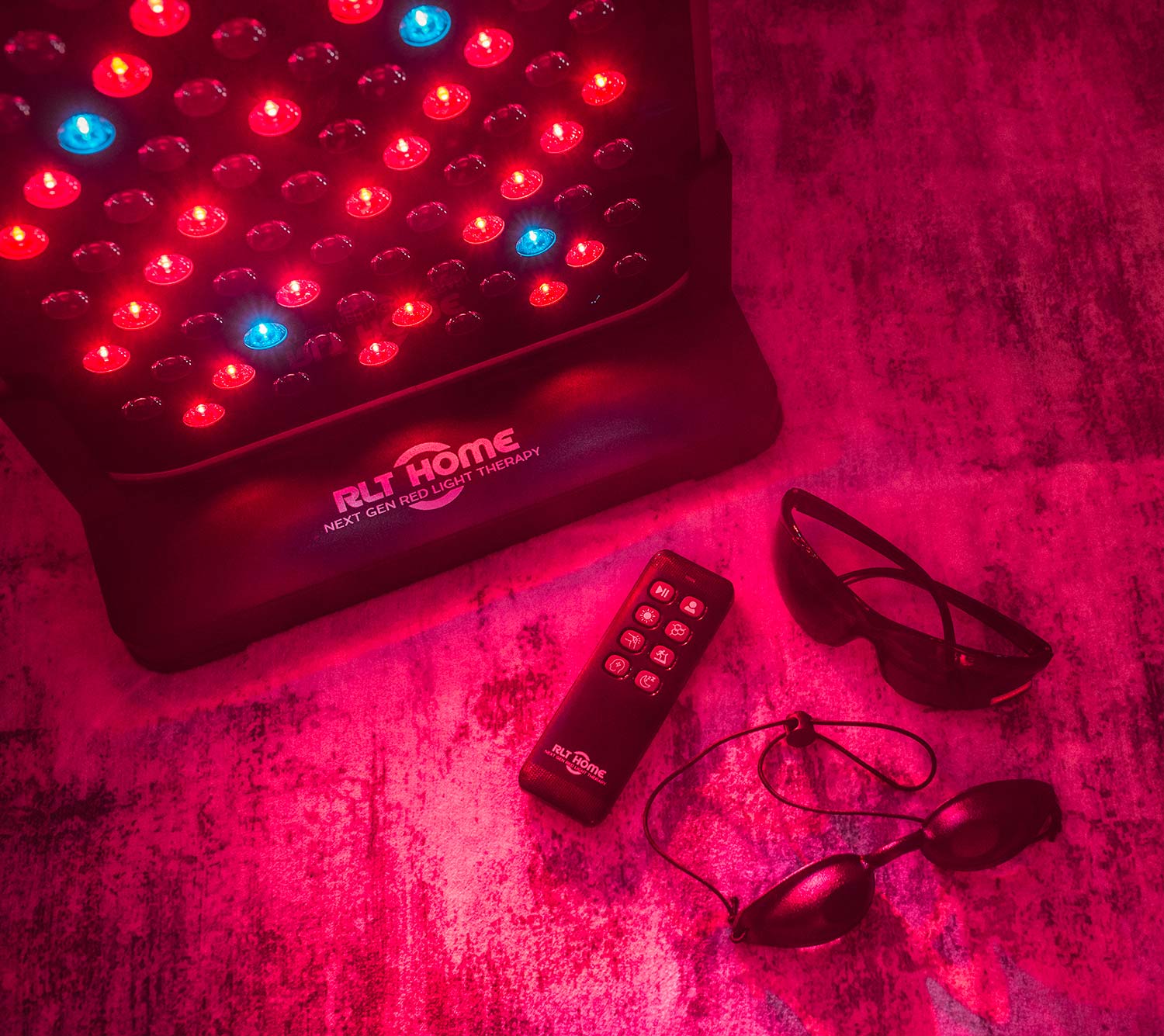
The Total Spectrum LED Panel features a visually impressive charcoal grey colourway, which contrasts perfectly with the red and blue lights on the front of the device. Minimalist in design, with subtle branding on the side and base stand. You could happily sit this kit in a corner of your home when not in use, its stylish looks complementing any modern apartment or home. The handy remote follows its big brother in the design stakes, basic yet effective with all the necessary buttons displayed (with simple, easy-to-understand controls).
Platinum LED
The Biomax is the polar opposite of its rival, opting for a clean, bright white housing with a large digital display on the front above the red and blue lights. Whereas the RLT is plain in design, the Platinum model is bolder, with large text branding down the side in bright red. However, this style choice is not really suited to a modern home aesthetic, and you will most certainly want to keep it hidden from view when not in use! On the other hand, the touchscreen remote control is sleek and stylish (earning its place alongside your other home-tech remotes).
Functionality
RLT Home
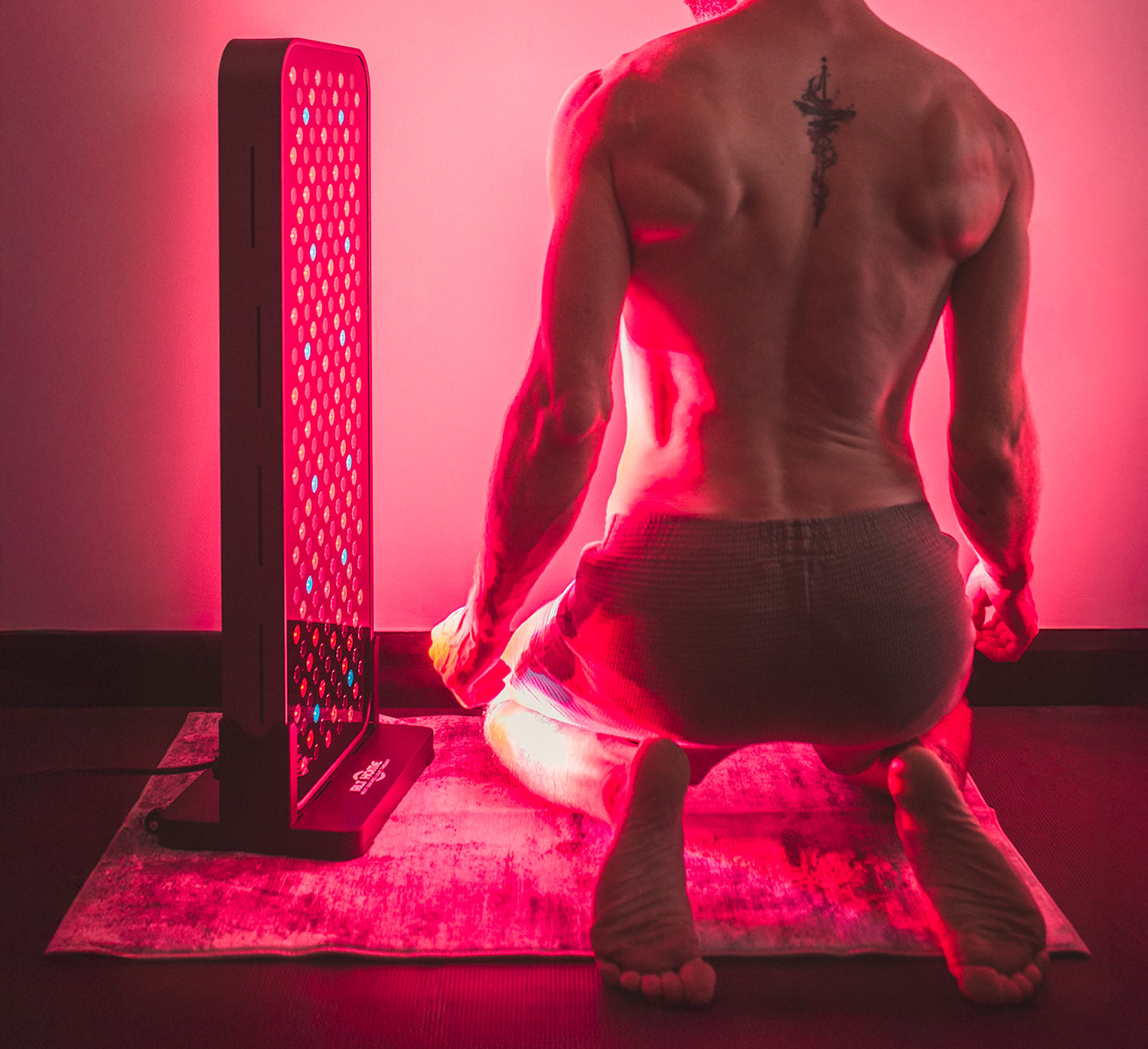
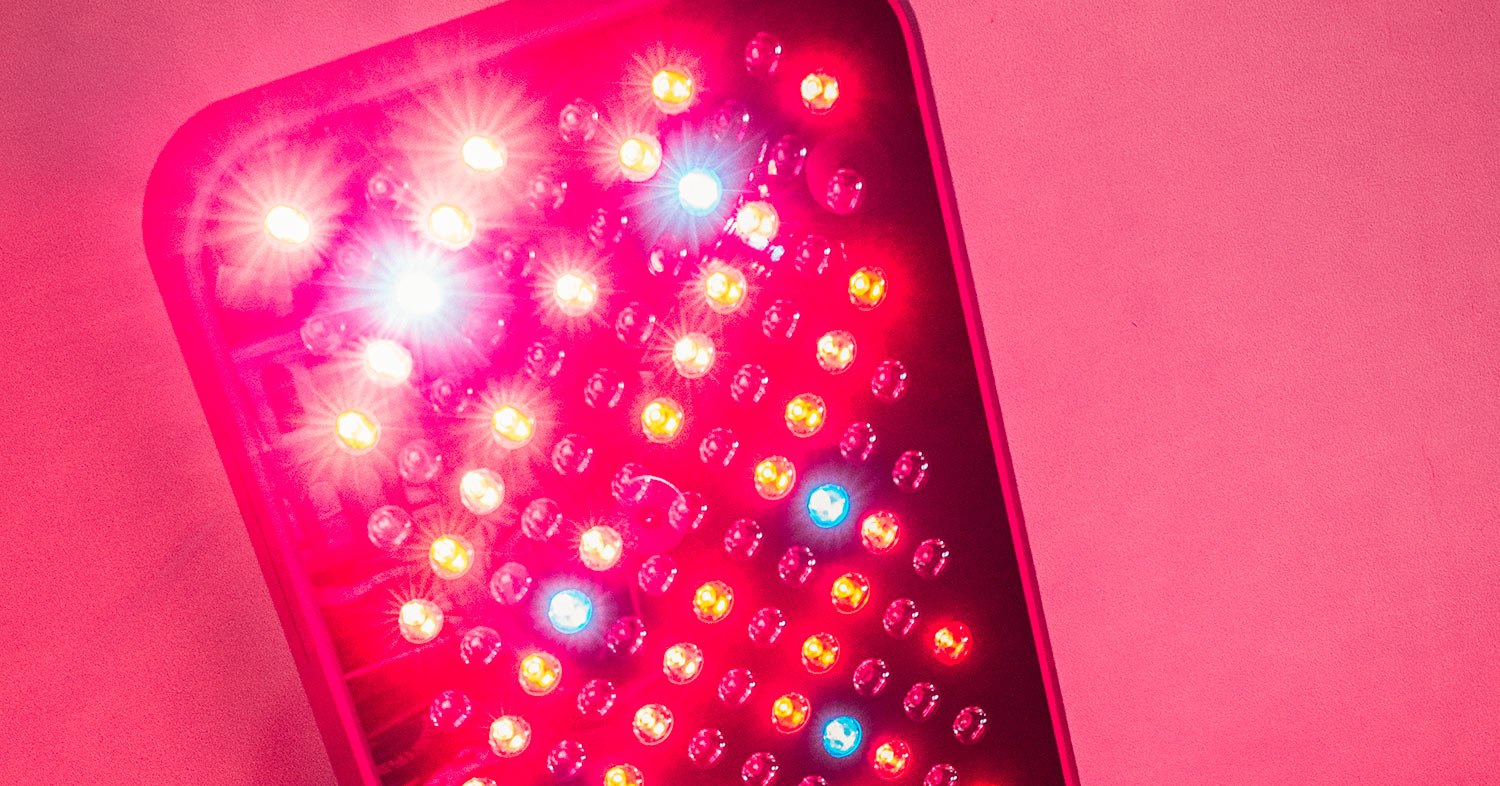
The Compact model (which boasts a substantial size) is the perfect option for those looking to target medium-to-large areas of the body, such as the chest, back, shoulders, and legs (though nothing is stopping you from hitting smaller areas like the arms and face). This model includes 216 lights and offers advanced care through 7 different wavelengths (which have been thoroughly researched for effectiveness and safety). RLT suggests the Compact can help with a variety of ailments, including swelling, persistent pain, skin issues, weight loss, and even a boost in overall mental clarity.
Platinum LED
The Biomax 600 has a similar shape and size to the RLT Compact, with slightly fewer lights (200), but includes the same 7 unique wavelengths. Again, this model is best suited to medium-sized areas of the body, helping reduce inflammation in sore muscles and joints (particularly useful for fitness fanatics and gym lovers after heavy workouts). The Platinum panels claim to provide the highest irradiance output on the market, for increased power and much deeper penetration.
Usability
RLT Home
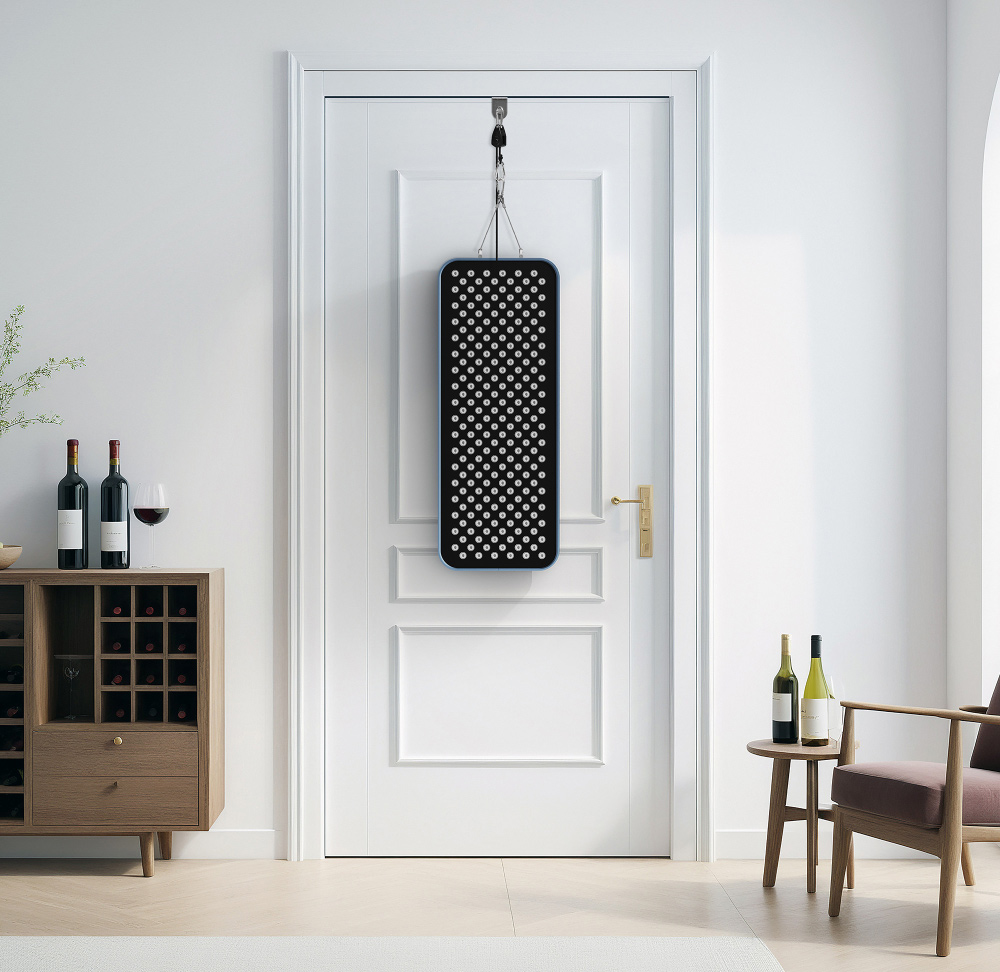
The Compact is incredibly simple to use, unpack, and set up. You just need to slot the panel into the provided stand or attach it to a wall hanger (all necessary parts are included in the box). Once everything is securely connected, flick the switch, and you are ready to rock and roll. Next, use the handy remote to make all the adjustments. You can access 9 preset modes – Full Power, Skin & Anti-Ageing, Pain & Inflammation, Fat Burn & Weight Loss, Mental Health & Brain, Sleep, Acne, Hair Growth, and Wound Healing. There is also a customised mode if you need to create something individual for your needs.
Platinum LED
The Biomax is also very user-friendly – relatively easy to unbox and slot together (again, it fits into a stand or can hang from a wall or door). You can access the control system from the panel on the side of the device, via the remote control, or through an app you can download to your smartphone or tablet. Whereas the RLT includes built-in presets, the Biomax requires you to select the settings yourself, which gives you more control, but many people will prefer the ease of use of the Compact (myself included).
Value For Money
RLT Home
The RLT Compact sits well beyond what you would consider a “budget” investment, at £1177 before any discounts. As such, it is not something you buy on a whim, and you will want to do your research beforehand. That said, if you are interested in the technology and want a quality bit of kit that targets medium to larger areas of the body, with a variety of easy-to-use presets, then the Compact should definitely sit near the top of your list.
Platinum LED
On the other side of the fence, the Platinum LED Biomax 600 is slightly cheaper (at around £800 + £128 if you want the digital remote control). However, it lacks the subtle, stylish look of the Compact, with fewer built-in lights. That said, it lets you minutely fine-tune the lamp settings to your preferences (but loses points without the built-in presets). Unlike RLT, Platinum charges a 20% restocking fee if you return the product because it is unsuitable.
Final Thoughts
Both models have their plus points and offer fantastic red light tech for your home setup (and are FDA-registered Class II medical devices). However, I would say that the RLT Compact panel slightly “pips to the post”.
The Platinum panel allocates around 80% of the power only on 660 and 850 nm, whereas the RLT has a more in-depth percentage wavelength allocation, listed here –
- 480nm – 6%
- 630nm – 19%
- 660nm – 19%
- 810nm – 19%
- 830nm – 14%
- 850nm – 9%
- 1064nm – 14%
In simple terms, this means the light from the RLT Home panel penetrates much deeper and uses wavelengths evaluated in clinical studies.
Additionally, its understated visual design, easy-to-select presets, and higher number of bulbs make it the stronger contender for anyone looking to dip their toe into red light therapy at home.
What are your thoughts on this trending technology? Is it something you are interested in? Or have you tested out a device in the past? If so, what were your experiences? Please share your thoughts below.