

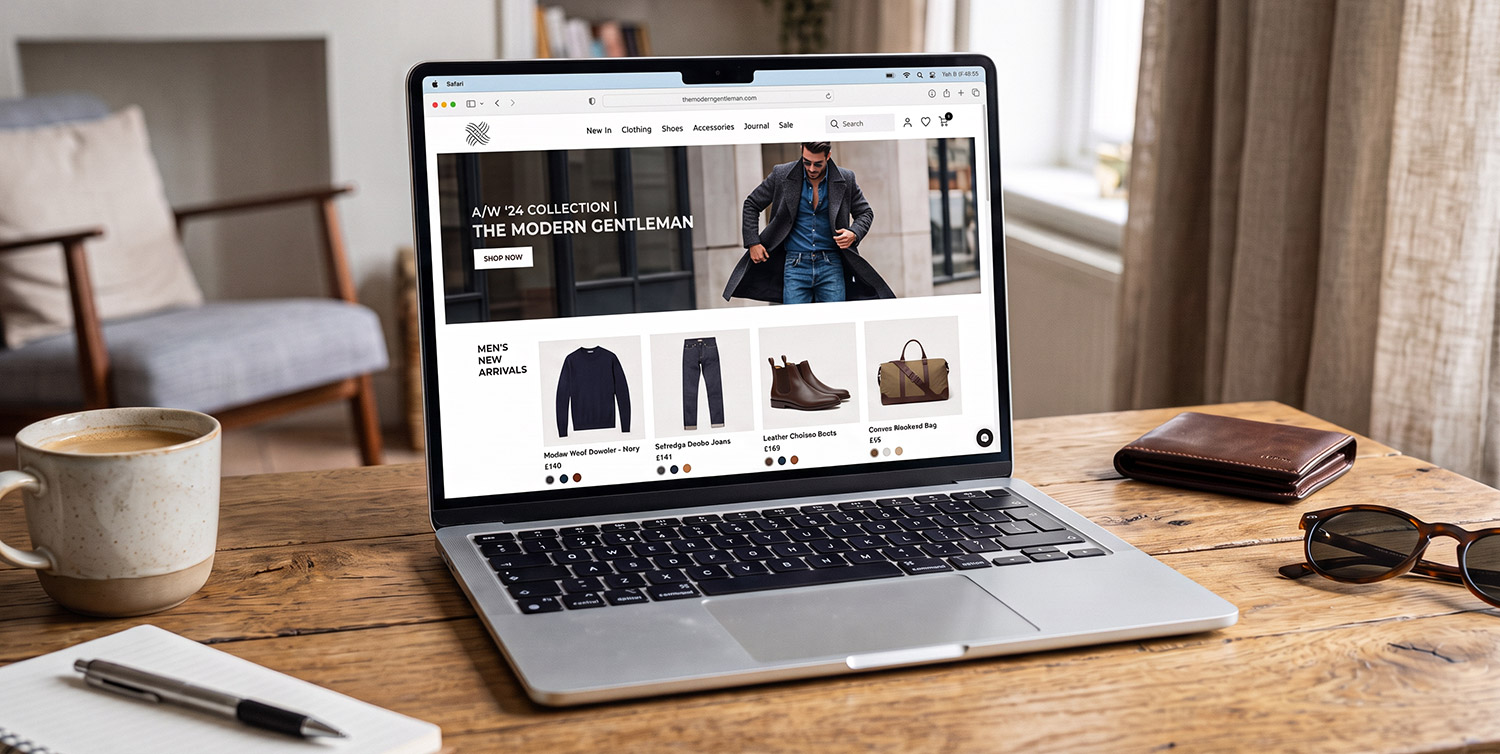
How To Remotely Run Your Fashion eCommerce Business
Over the last few years, the business landscape has fully embraced remote work (with many people enjoying its flexibility). The fashion industry has taken advantage of this shift, especially for clothing eCommerce store owners. By using the right digital tools and well-organised workflows, you can oversee product launches, run marketing campaigns, interact with customers, and manage orders, all without being on the premises.
For many years, you had to rock up to your office each day to manage your business, but that has evolved, allowing you to oversee all areas of your organisation from anywhere in the world (as long as you have a stable internet connection). Carry on reading to learn more.
Remote Teams Must Be Connected
One of the most important aspects of an online business is a smooth network system that lets your marketing team, designers, suppliers, and sales reps work together from different locations.
Without clear communication channels, misunderstandings, missed emails, and critical problems can occur, delaying product launches, causing stock issues, or even creating financial problems. As a result, your business must establish a consistent approach to internal communication.
Messaging platforms can deal with important questions, project management tools can handle responsibilities, and video meetings can support team discussions. Additionally, every important business decision should be fully documented so that each team member can easily refer back if necessary.
If your firm relies on frequent voice conversations with staff, manufacturing factories, and customers, cloud-based calling tools can be a game changer. Consider familiarising your team with how to connect for Webex calling, as this AI communication system keeps company contact accessible and organised. The best setup depends on the organisation’s current systems, communication needs, and the size of the team.
Organising regular meetings is a worthwhile exercise as well, allowing you to conduct weekly reviews regarding upcoming launches, marketing performance, or any issues that need to be resolved.
A Stable Business Infrastructure Is Essential
Running a fully remote fashion store successfully all comes down to having a solid digital infrastructure in place. As a business owner, you need instant access to sales figures, product listings, live inventory levels, customer tickets, and supplier updates without being unnecessarily chained to a physical office.
When you can monitor the pulse of your brand from anywhere, you gain the freedom to scale your business on your own terms. A powerful eCommerce platform acts as your digital command centre, bringing product management, order processing, secure payments, and customer profiles into one unified hub.
Furthermore, you can install extra tools that will automate your accounting, track inventory across multiple warehouses, manage creative projects, and launch marketing campaigns. When these systems talk to each other seamlessly, you no longer waste hours manually copying data between screens and can focus on the big-picture decisions that drive revenue.
Maintaining Your Inventory
Fashion inventory can quickly become chaotic as a single design often splits into a dozen different sizes, colours, or seasonal styles. Without accurate records, you run the risk of advertising items that are long gone, or forgetting to restock your actual bestsellers. This can quickly lead to frustrated customers and missed sales opportunities that directly hurt your bottom line.
A centralised inventory tracking system acts as your digital crystal ball (for want of a better description), updating stock levels in real time as new orders roll in and returns bounce back. For the smoothest operation, this system needs to hook up directly with your eCommerce platform and your warehouse and fulfilment centre.
Keeping these channels perfectly synced prevents the ultimate retail nightmare of accidentally overselling a popular item. When you are running the show remotely, establishing clear rules for quality control, order processing, and returns is absolutely non-negotiable. If you hand over the heavy lifting to a third-party logistics provider, you must set firm performance expectations and demand regular data reports, so you are always in the know.
Marketing Coordination
Successful marketing in the fashion sector very often depends on timing. Your campaign should align with a seasonal collection, a promotional event, a collaboration with a celebrity or influencer, or even a sudden wave of popularity of a specific style. Consider using a content calendar, which lets remote teams organise campaigns upfront and schedule product launches, social media posts, email newsletters, and more.
In Summary
Running an online clothing store remotely can be a challenging endeavour, both mentally and financially, but remote tools offer you unparalleled freedom. By using the tips in this guide, you will be able to integrate a system that works seamlessly and ensures your brand is a success (no matter your location around the globe).
Do you work away from the office? What are your experiences when using remote tools and systems? Please share your thoughts below.
