

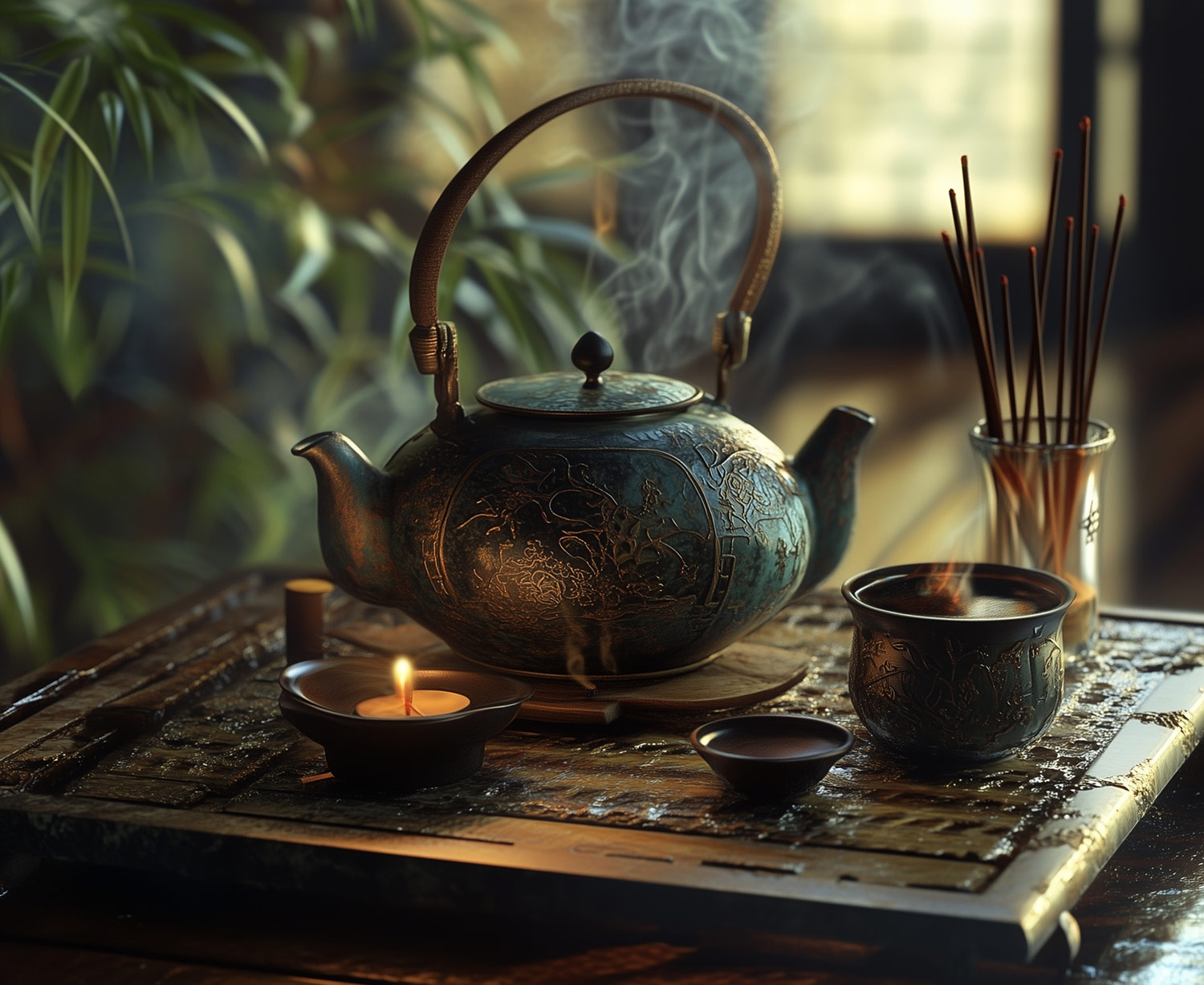
How Wabi Sabi Is An Artistic Foundation Of Japanese Tea Ceremony
One of the most refreshing drinks is undoubtedly a cup of tea – typically served first thing in the morning, during a mid-morning break in the office, or even as a gesture of comfort during bad news. In Japan, tea is a hugely popular drink, intertwined with wabi-sabi (beauty in imperfection), and remains relevant to this day. Let’s find out more.
Tea first arrived in Japan in the 8th CE, originally as a form of medicine. A Buddhist monk named Eichu is credited with introducing the country to its very first tea. As tea originated in Buddhist temples, it was typically used as a meditative aid to help monks stay awake. Although tea was used to enhance alertness, it had become part of a ceremony by the 16th century CE. Sen no Rikyū (a formative figure in refining the aesthetics of the art) named the four principles on which the tea ceremony is based: harmony (wa), respect (kei), purity (sei), and tranquillity (jaku).
As time passed, the aesthetics were further refined within a deeper artistic philosophy known as wabi-sabi, and the connection between the two elements created something truly fascinating and symbolic.
When Wabi Sabi Found A Home In Japanese Tea Culture
As touched on above, Zen Buddhism helped to rejuvenate tea in Japan’s culture. However, wabi sabi resulted from the transformation of social values (primarily due to the growing trend towards simplicity over extravagance).
Tea gatherings (for the elite of society) were often the backdrop for discussing highly prized imported objects in luxurious, ornate surroundings (or anything that would showcase wealth). Sen no Rikyū (and other “tea masters”) converted tea ceremonies into something much more introspective, and beauty no longer had to be striking to be meaningful – this is when tea rituals began to honour what is flawed.
Even elements which were considered transient, uneven, or even broken had a special kind of charm. Based on this newfound belief, the Japanese population saw potential even in a roughly crafted clay bowl or a less-than-perfect crushed flower.
This idea is very similar to the art of kintsugi (in which broken pottery is repaired with lacquer mixed with gold, silver, or platinum powder). This particular type of art is commonly associated with Rumi, who said: “The wound is the place where the light enters you.”
In a similar fashion, wabi sabi began to slowly enter Japanese culture through a range of ideas which include –
- Brokenness is not shameful.
- There is a unique beauty in handmade objects with natural irregularities.
- Impermanence is also a part of beauty.
- Silence and restraint are more valuable than flamboyance.
- Simplicity carries emotional depth.
The Dangerous Road To Perfection In Appearance
This style of philosophy continues in the modern age as Japan’s green tea (sencha) market reached an astonishing 89.2 thousand tons in 2025. The overall emotional connection found in tea can feel particularly meaningful in our world, which has been largely shaped by pressure, perfectionism, and the constant bombardment of health issues, anxiety, and stress.
One example is visible skin conditions, which undoubtedly add fuel to the overwhelming pressure to look absolutely flawless at all times. Many people are often pushed into a never-ending cycle of medical advice and online searches for effective solutions to these issues. Even the treatment process can be a hugely taxing journey, especially with the high risk of disastrous complications, which are outlined in the Dupixent lawsuit.
Dupixent (manufactured by Sanofi) is a medication prescribed for skin conditions such as eczema. However, TorHoerman Law shares that despite its ability to calm inflammation, it has led to a variety of serious complications (including T-cell lymphoma). Wabi sabi offers hope that dignity and beauty can exist within imperfections in the world (and a strong contrast to the need for medical assistance, and even surgery, to chase perfection).
The Expression Of Wabi Sabi In A Japanese Tea Ceremony
Anyone who has attended a Japanese tea ceremony will know that the atmosphere is anything but ostentatious. Every object has been placed with intention, thereby allowing emptiness itself to become a total part of the composition.
As your body and mind begin to experience relaxation, wabi sabi can be felt in the air itself. Tea rooms are kept small (by deliberate choice) and stripped of unwanted distractions. The area is covered with paper screens, allowing only the faintest light to peek through, and wooden textures have been purposely left unpolished for a raw, rugged appearance.
One of the most fascinating factors is that, while nothing feels “over the top”, nothing is lacking either. Everything has been designed for awareness and meditation (and the latter is a quantifiable achievement).
Even something as simple as the utensils used in the ceremony is based on the same philosophy. The various items and objects that have been placed before you may not exude perfection, but they still carry an undeniable depth of character that is totally mesmerising to the senses.
Embracing Imperfections
- Tea bowls are rarely perfectly shaped, as it’s their asymmetry that celebrates the glory of all things handmade.
- Bamboo whisks and ladles display natural variations in tone and ageing.
- Ceramic surfaces are typically not glossy, instead preserving their texture, grain, and earthiness.
- Seasonal flowers are generally arranged in a minimalist fashion and often scattered randomly to showcase the same philosophy.
- Each and every tool has been selected first for its functionality, with beauty being an added bonus.
The overall simplicity of this practice is largely responsible for keeping the ceremony etched in Japanese memory. A 2025 nationwide survey found that 70.4% of respondents reported a strong fondness for Japanese tea. This unwavering appreciation for something as basic as tea can be both cultural and emotional. Even though most aspects of lifestyle have been modernised, tea continues to hold a special place in the nation as a whole. One of the most important takeaways is that wabi sabi fosters a mindset that offers simplicity and freedom in equal measure.
The Symbolism Found Within A Humble Bowl
Although the aesthetics are muted, the story behind them is undeniably loud and clear. The Japanese tea ceremony has been designed to allow every attendee to experience time and presence (all in a disciplined way), and the ritual itself is as iconic as viewing cherry blossoms during the Spring season.
Your mind will slow down and stop racing, and each gesture or item will carry a meaning far beyond just functionality. To the uninitiated, it may look like it’s just preparing a relaxing bowl of tea, but within that humble bowl, you will discover wisdom (and the infusion of wabi sabi has only made this symbolism even richer).
It’s amazing to think that something as straightforward as a rugged bowl of tea could point towards the profound truths of life! Even though the traditional tea ceremony has accepted that nothing in life is permanent, wabi sabi has taken it one step further, offering the comforting belief that nothing needs to be forever.
Are you someone who enjoys life for what it offers? Or do you constantly chase that elusive perfect moment? Take the time to settle into the meditative principles of wabi sabi and live in the moment.
Peeling Back The Symbolism
- The empty space in the tea room points towards absence, but not lack.
- The rough, natural texture of the utensils symbolises acceptance of imperfection rather than unrealistic artificial perfection.
- The silence shared by the host and guests is a sign of respect that transcends language barriers.
- The seasonal setting is a humble recognition of how life is constantly changing.
The worldwide tea market was valued at $28.32 billion in 2024 alone, indicating that tea continues to be a daily habit and a cultural symbol across societies, regardless of background. Nevertheless, Japanese tea ceremonies move in the complete opposite direction of expansion. Instead, they deliver a deeper experience thanks to its minimalist theme, and it is the contrast which gives the ceremony spiritual depth.
FAQs
How did wabi sabi become a part of the Japanese tea ceremony?
Wabi sabi is closely connected to Japan’s tea culture, thanks to the influence of Zen Buddhism and the cultural changes that emerged throughout the Muromachi period. Tea masters such as Sen no Rikyū stressed the importance of simplicity and natural beauty over ornate displays of riches. These values are fully aligned with wabi sabi, which showcases the visual appeal in things which are imperfect or incomplete.
What makes the Japanese tea ceremony an expression of wabi sabi?
Wabi sabi flows through the Japanese tea ritual via deliberate simplicity of the event and the overall attention to imperfection. Tea rooms are purposely quiet, minimal, and full of utensils which carry handmade irregularities. Rather than hiding any apparent flaws, the ceremony focuses on them, highlighting them as a part of natural beauty.
Why is the philosophy of wabi sabi still relevant in modern life?
Wabi sabi remains relevant today, as it offers a counterpoint to modern-day pressures of perfection and constant comparison with others. In our fast-paced digital world (filled with surface-level judgements, especially online), the message that wabi sabi delivers is one of acceptance and liberation.
Japan’s Tea Culture At A Glance
Japan’s green tea market valuation in 2025 – 89.2 thousand tons
Sencha consumption survey of Japan – 70.4% said they regularly enjoy this variety
Respondents who love Japanese tea in general – 82%
Worldwide tea market valuation in 2024 – $28.32 billion
Largest global tea market share in 2024 – Asia-Pacific region with a share of 67.9%
Despite tea being a worldwide commodity, in the Japanese tea room, it has become a medium through which wabi sabi can be fully understood. Even though it boasts a worldwide popularity, the cultural centre for tea is firmly rooted in Asia (with the Asia-Pacific region accounting for 67.9% of the global tea market share). Furthermore, Japan takes its tea culture very seriously; the simple act of sipping is sacred and a fundamental reminder that the most meaningful acts in life are often found within.
Are you a fan of tea and the wabi sabi mindset? Please share your thoughts and feelings below.
