

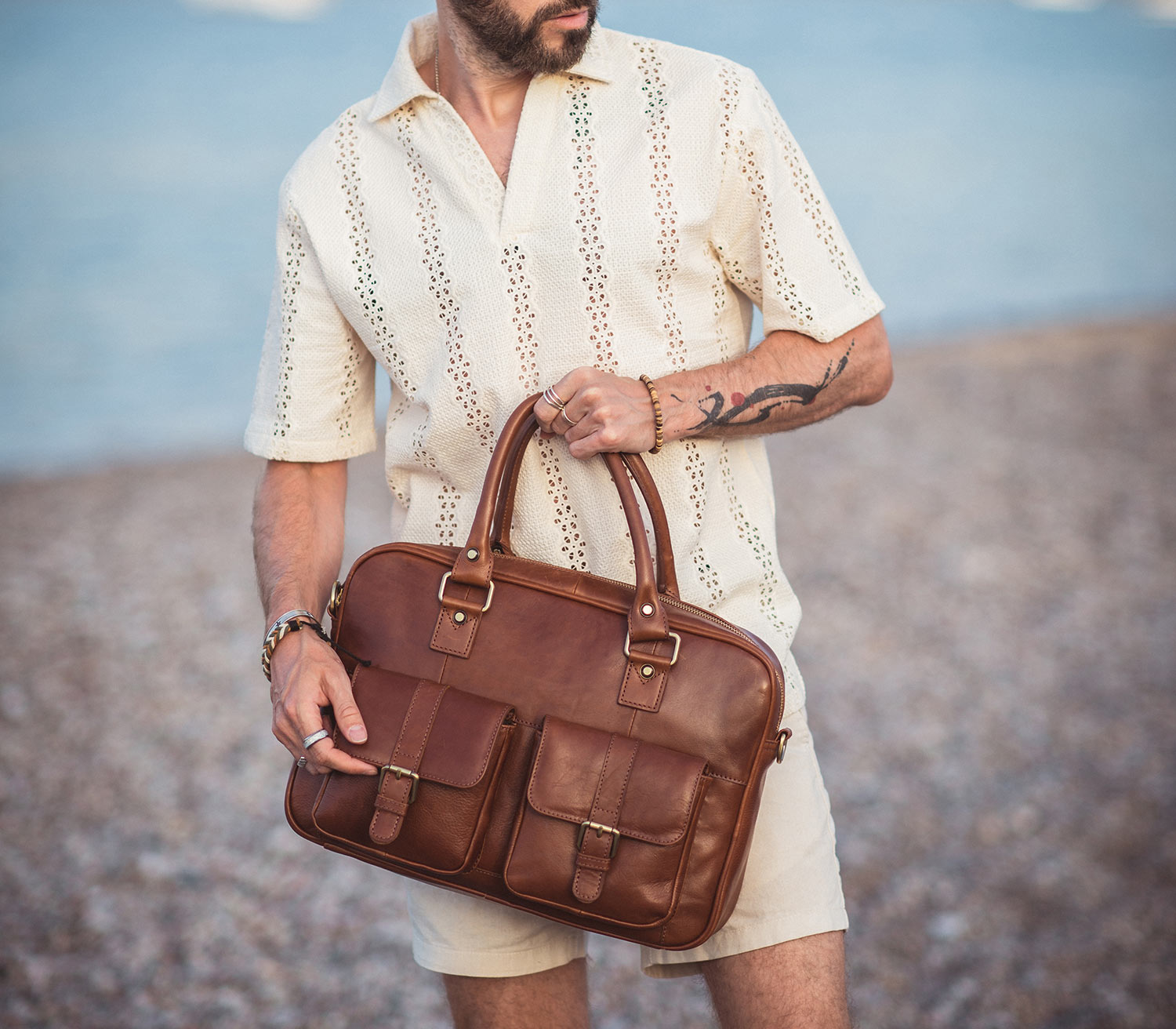
How To Choose A Travel Bag That Suits Your Style
A good trip starts long before you reach the departure gate, and the bag you carry says more about you than you may think. A scruffy rucksack with a broken zip will never match that sharp outfit, while a well-chosen holdall can pull an entire travel look together. With so many styles, materials and sizes out there, it can be tricky to know where to begin. In this guide, I explore how to choose a bag that works for your trips and your wardrobe. Carry on reading to find out more.
Know Your Shapes
The very first decision is the shape, and it’s worth thinking about how you actually travel. The classic holdall (often called a duffel) is soft-sided and roomy, with a wide opening that makes packing an easy process. It serves weekends away and works equally well in the boot of a car or the overhead rack on a train (where space is limited). A weekender is a slightly more structured version, typically featuring a flat base and sturdy handles, which ensures it keeps its shape even when it’s half empty.
If you travel regularly, it’s also worth considering a backpack or messenger bag for your essentials. They keep your hands free and count as a personal item on most flights (although always double-check your chosen airline to avoid fees if the dimensions are slightly over!).
On shorter trips, one bag may be enough, but for longer holidays, a pairing of one larger bag and one smaller is a much more practical setup. The right travel bags give you flexibility, and the right combination can cover everything from a quick business trip to a much-needed fortnight in the sun.
Think About Size
Size is where many men go wrong when choosing luggage. Too small, and you’re sitting on the lid to zip it shut. Too large, and it’s too heavy to carry and awkward to store (both at home or during the journey). For a typical weekend away, a bag with a capacity of around 35 to 50 litres should be more than enough. If you’re flying with hand luggage only, check the airline’s current cabin bag limits before you buy, as sizes vary wildly between carriers.
Choose Your Material Wisely
The type of material can make the biggest difference to how your bag looks, feels and ultimately lasts. Canvas is lightweight, hardwearing, and relaxed, which complements casual wardrobes. On the other hand, nylon and other technical fabrics are even lighter and often water-resistant, making them a sensible choice for rainy climates or active trips. On the other end of the scale, you have leather, which adds a touch of polish to your ensemble (furthermore, as it ages, it can develop a striking patina effect which gives the bags their own unique character).
If you do go down the leather route, check how it has been constructed. Full-grain leather (particularly when vegetable-tanned) is generally tougher and more visually stunning than cheaper alternatives, which can crack or peel after a few years (even if looked after with kid-gloves). However, many bags combine leather with canvas, which keeps the weight down while retaining a smart and stylish appearance.
Check The Hardware And Stitching
It’s the small details which separate a bag that survives years of adventures (and being thrown around airport baggage) from one that gives up after only a few trips.
Look closely at the zips, which should run smoothly without catching. The quality of the buckles and clasps is important too – they should be well-made and sturdy (not flimsy!). Handles and straps will generally take the most strain, so check that they’re firmly attached with strong, even stitching (ideally reinforced at the stress points).
A padded shoulder strap is also a worthwhile feature, particularly if you’re covering long distances on foot (as it can protect your shoulders from rubbing). Additionally, interior pockets are vital for keeping small items organised. Finally, a separate compartment for shoes is a useful feature that helps keep the rest of your clothes clean.
Match It To Your Style
This is where the fun starts. Your travel bag should complement the way you dress, not fight it. If you favour tailored and smart-casual outfits, a structured leather weekender in brown, tan, or navy is a great option. Conversely, if your style leans towards streetwear or outdoor wear, a rugged canvas holdall or a technical backpack will feel more at home.
Colour choice is crucial too. Neutral shades such as black, navy, brown and olive go with almost anything and hide scuffs well. If you want something a bit more distinctive, consider a bag with contrast stitching, a touch of colour on the trim or an interesting texture.
I always think a bag with a bit of personality is far more memorable than a plain one, and it’s easier to spot on the baggage carousel (which can be invaluable when you want to be on your way quickly!).
Treat It With Love And Care
A good bag is an important investment, and a little care goes a long way. After each trip, spend a little time on maintenance to keep your luggage in tip-top shape. Wipe canvas and nylon with a damp cloth and allow them to dry naturally. For leather, a soft cloth and a small amount of natural leather balm every few months will keep it supple and protect it from the odd shower.
Remember to store your bag somewhere cool and dry, and stuff it with tissue paper or even a spare towel, so it holds its shape between trips. When packing, try to avoid overloading (leave those unnecessary bulky items at home!). Heavy items can strain the handles and seams, and it’s much kinder to the bag (and to your shoulder) to pack sensibly.
Final Thoughts
Choosing a travel bag doesn’t need to be complicated. Think about how you travel, pick a size and shape that fit your trips, choose materials that suit your style and check the details that guarantee it’s built to last. When you get these factors right, you will have a trusty companion that looks good, works hard and gets better with every journey.
What do you look for in a travel bag? Do you prefer a classic holdall or a more modern backpack? I’d love to hear your thoughts, so feel free to share them in the comments section below.
