

What A First Trip To Panama Involves
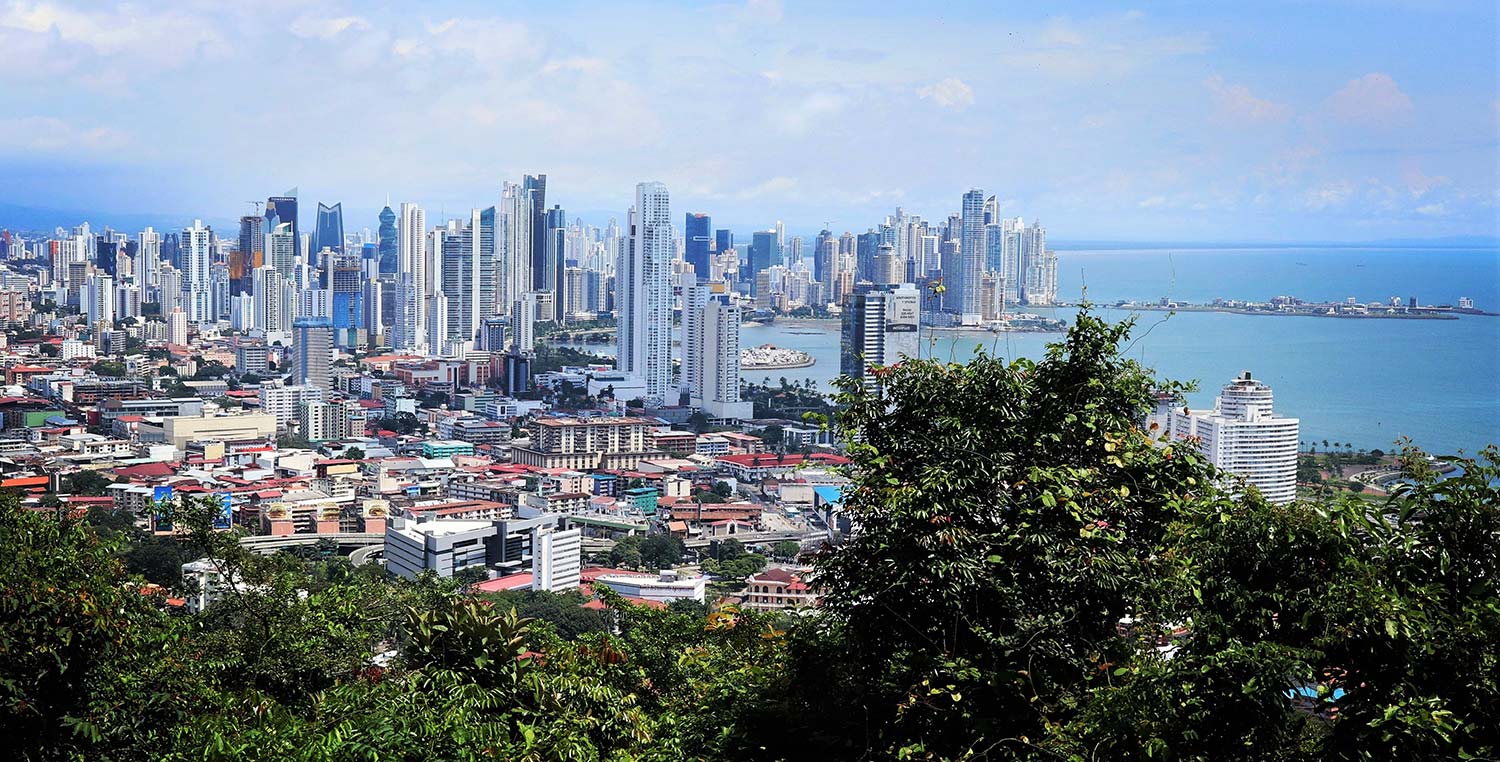
Panama City’s skyline looks like Miami teleported right next to a rainforest, and that contrast sets the tone for everything else you’ll encounter when visiting the country. First-time visitors often expect a quick beach stopover or a canal photo op, but tourists are rewarded who give it more than a weekend. In this travel guide, I will explore what actually goes into planning and experiencing Panama for the first time. Carry on reading to find out more.
Getting Your Bearings In Panama City
Most travel plans start in Panama City (and for good reason) — it is the transportation hub that connects you to everywhere else throughout the country. Casco Viejo, the old colonial quarter, gives you narrow streets, restored 17th-century buildings, and rooftop bars with views of the modern skyline across the bay. It is best to set aside at least a full day here before heading anywhere else.
The city also serves as your logistics base. This is where you’ll arrange transportation to the interior provinces, book any guided excursions, and stock up on cash, since smaller towns outside the capital don’t always have reliable ATMs. Tocumen International Airport sits about 24 kilometres from downtown, and traffic can turn that into a 45-minute to hour-long ride depending on the time of day.
Seeing The Panama Canal Up Close
No first trip is complete without paying a visit to the infamous canal, but there’s more nuance to it than just snapping a photo. The Miraflores Locks Visitor Centre, just 15 minutes from downtown, lets you watch massive container ships rise and fall through the lock system while informational displays explain how the whole operation works. Ships transit on a schedule, so checking times in advance means you won’t show up during a lull.
If you are looking for a deeper experience, consider a partial canal transit by boat, which takes you through at least one set of locks while providing you with a sense of scale that the visitor centre cannot convey. Some tour operators will also combine this with stops at Gatun Lake, where you can spot monkeys and birds along the forested shoreline (so remember to bring your camera!). Budget a half day minimum if you want to do this properly rather than rushing through.
Exploring Beyond The Capital
Panama’s geography packs a huge amount into a small footprint, which can make day trips and short regional stays practical even on a first visit. Boquete, up in the highlands near Costa Rica, offers cooler temperatures, coffee farm tours, and hiking trails through cloud forest. The town sits at around 1,200 meters elevation, so pack a light jacket even though you’re near the equator.
On the opposite end, the San Blas Islands give you a completely different Panama — turquoise water, white sand, and communities run by the Guna Yala indigenous people who maintain control over tourism in the region. Getting there usually involves a bumpy 2-3 hour drive from Panama City followed by a short boat ride. Day trips are common, though overnight stays on the islands offer a quieter, more immersive experience. These destinations work well together if time allows, since one delivers mountain scenery and the other delivers classic Caribbean coastline.
Understanding The Practical Logistics
The entry requirements for most Western travellers are pretty straightforward: a passport that is valid at least three months beyond your stay and proof of onward travel. The official currency is the balboa, but it’s pegged to the US dollar and USD bills circulate everywhere, so currency exchange isn’t something you need to worry about.
Spanish is the dominant language outside of the main tourist zones, though English is remarkably common in hotels, airports, and higher-end restaurants in Panama City. Consider learning a few basic phrases, which goes a long way in smaller towns. Panama has two main seasons rather than four: the dry season runs roughly from December through to April, when most visitors travel, so expect higher prices and bigger crowds at popular sites during those months.
Choosing The Right Level Of Structure
Independent travel in Panama is doable, especially in Panama City and well-established tourist corridors, but some regions benefit from local guidance. Hiring a driver or booking organised excursions for places like the Darien region or remote parts of the Caribbean coast isn’t just convenient — it’s often safer and more efficient given spotty infrastructure.
For travellers who demand a higher level of comfort and curated access, Panama luxury tours have become increasingly available, offering private transportation, boutique accommodations, and itineraries that string together the canal, the highlands, and the islands without the logistical headaches of arranging each leg independently. This middle ground between fully independent travel and large group tours tends to suit first-time visitors who want that much-needed flexibility without having to solve every transportation puzzle themselves (after all, you want to focus on your vacation).
Food And Culture Worth Prioritising
Panamanian cuisine is something first-timers definitely need to experience, blending Caribbean, indigenous, and Spanish influences. Popular dishes like sancocho, a hearty chicken soup with culantro and yuca, appear on menus everywhere, from street stalls to upscale restaurants.
Seafood is a given in a country bordered by two oceans — ceviche here tends to be lighter and more citrus-forward than in some neighbouring countries. Try a corvina ceviche near the Pacific coast for a genuinely local take.
Markets such as Mercado de Mariscos in Panama City offer a cheap, fast way to sample fresh seafood while watching the daily catch get sold just steps away. Street food vendors selling empanadas and carimañolas are common and inexpensive, making them an easy way to eat well without planning ahead.
Final Thoughts
A first trip to Panama works best when you resist the urge to treat it as a single destination. The country functions more like three or four distinct experiences — city, canal, highlands, islands — loosely connected by short flights and manageable drives, and building in time for at least two of those regions beyond the capital will give you a far more accurate picture of what Panama actually offers.
Will you be planning a trip to Panama soon? Or have you already visited? I’d love to hear your plans or experiences; feel free to share in the comments section below.
