

The Evolution Of Portable Monitors: What’s Next?
It wasn’t that long ago that working away from a multi-monitor desk setup meant that you had to compromise your productivity. Remote workers, digital nomads and travelling professionals were forced to squeeze complex spreadsheets and video calls onto a single, cramped laptop screen. Thanks to advances in portable screen technology, you can now enjoy a larger digital workspace while on the go. Let’s find out more in my latest article.
Early portable displays were typically thick and demanded bulky power adapters that cluttered hotel rooms, coffee shop tables, or those long train mutes. They were generally difficult to carry, a chore to set up, and more often than not provided a dim visual quality.
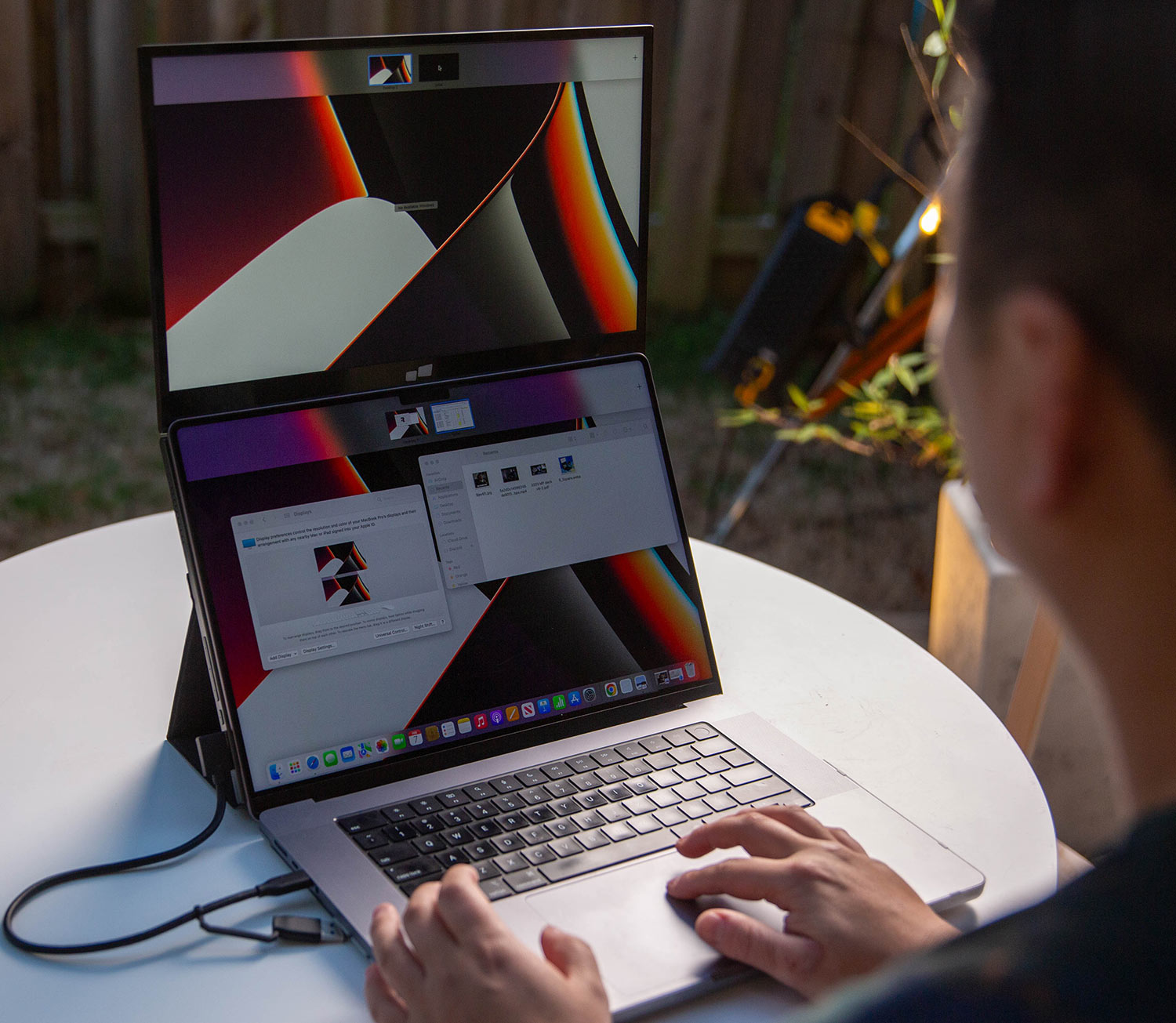
Today, that reality has been completely transformed for the better. Modern portable screens boast an array of improvements, including a razor-thin design, vibrant and colourful displays, and all powered by a single USB-C cable, which can quickly transfer both video signals and electricity with ease.
As remote and hybrid work models become standard practice across almost every industry, hardware design continues to advance at a rapid speed. Once you have experienced the joy of using a quality portable monitor, you will be able to build an efficient dual-display workstation wherever your day takes you.
How Have Portable Monitors Changed Over Time?
The first generation of external screens served primarily as emergency backup displays. They relied on sluggish connections that often suffered from severe lag, limited colour accuracy, and poor viewing angles (generally unsuitable for many tasks, especially photography or video editing).
Furthermore, setup generally required dedicated desk space and a lot of patience. The shift toward lightweight materials and modern connectivity changed everything
- Single-Cable Simplicity – Thanks to the prevalence of USB Type-C, the use of external power adapters and bulky video cables became obsolete, making setup almost instant.
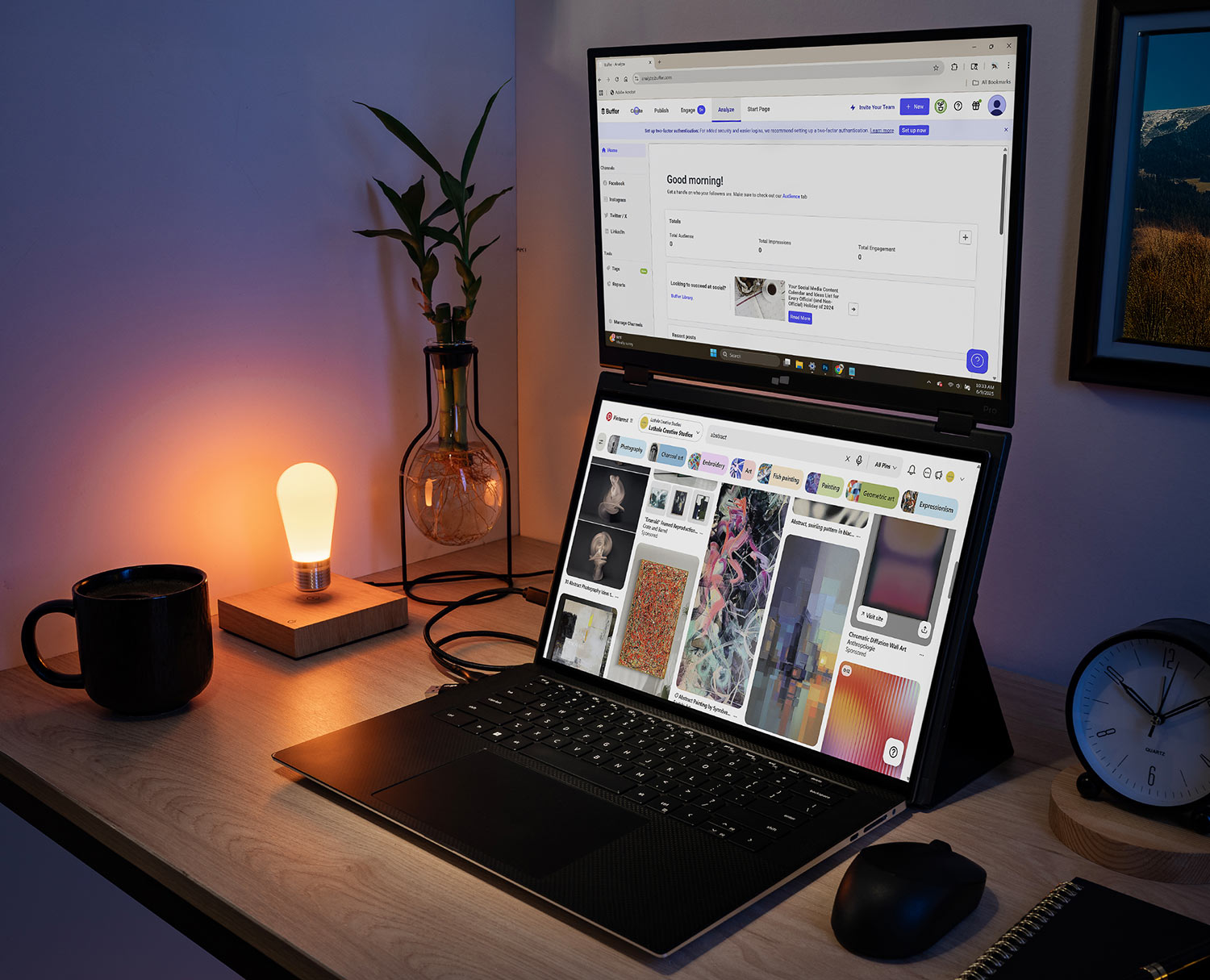
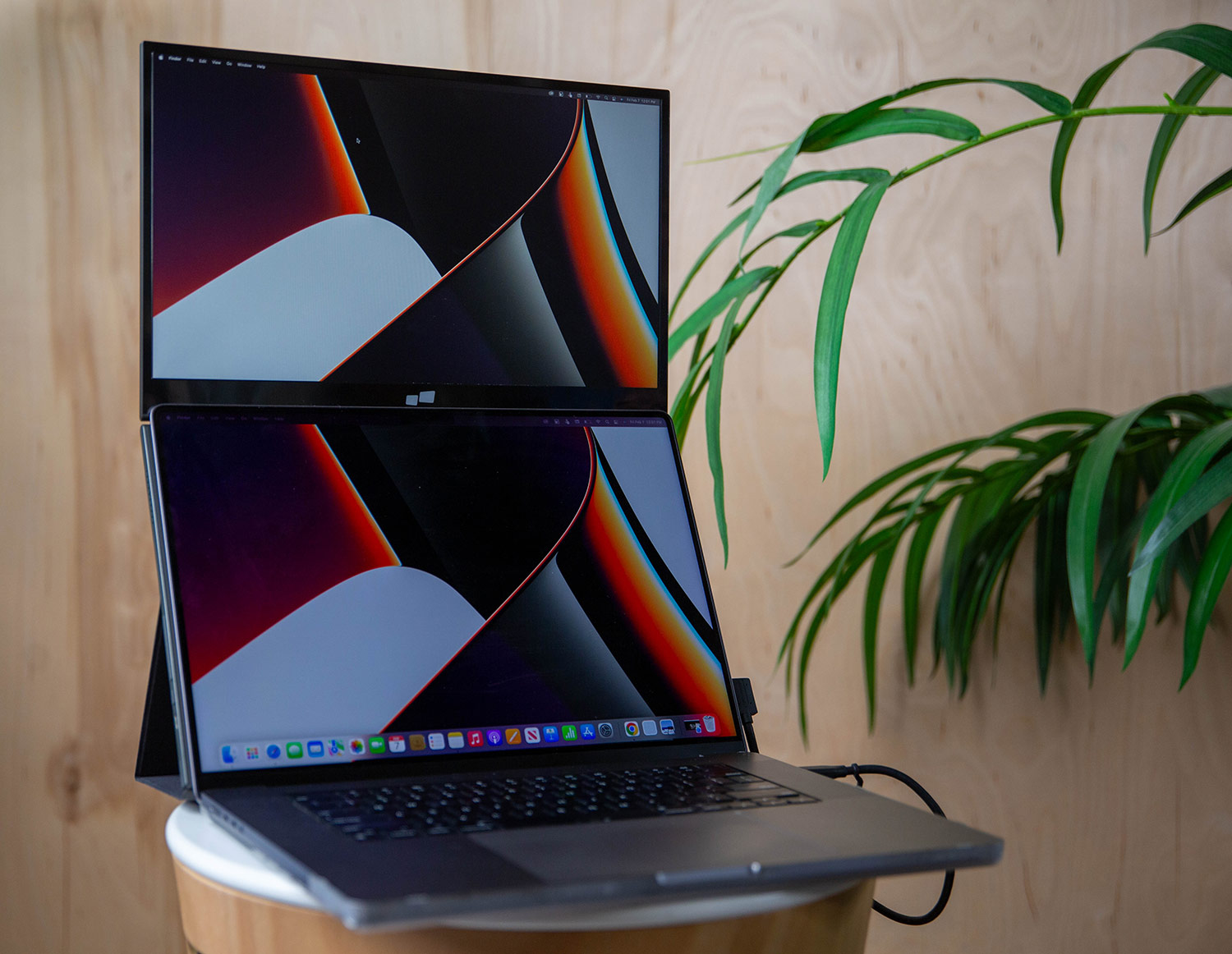
- Magnetic Attachments – Mounting brackets allow monitors to be mounted right on the laptop lid to form either side-by-side or sliding dual-screen configurations for quick setup.
- High-End Panel Technology – High-end panel technologies like IPS and OLED produce vibrant colour reproduction, fast refresh rates and high resolution. These advancements have transformed external displays from luxury accessories into essential tools for programmers, financial analysts, graphic designers (and more!) who refuse to slow down while travelling.
What New Screen Technologies Are Coming Soon?
Even though the current range of models is lighter and sharper than ever, the next phase of display engineering promises even greater portability. Manufacturers are heavily researching flexible display tech, smarter power management, and advanced wireless standards to enable seamless workflows for creatives.
Foldable And Rollable Screens
One of the biggest limitations with the current batch of portable screens is physical size. For instance, a fourteen-inch screen requires a fourteen-inch physical footprint in your bag (taking up valuable space for your other essentials).
OLED and flexible substrate technologies are fortunately changing that math problem. Future displays will fold in half like a notebook or unroll from a compact cylindrical tube (which sounds like something from a movie, but it will soon be a reality).
This innovation will allow professionals to carry twenty-inch dual displays inside a standard laptop sleeve without adding rigid bulk (which will be an unparalleled game-changer).
Truly Wireless Display Connections
Whereas single-cable connections are clean, zero-cable setups represent the ultimate goal. Ultra-low-latency wireless protocols will soon let portable displays pair instantly with laptops, smartphones, and tablets without plugging in a single “fiddly” wire. When these new features combine with long-lasting solid-state internal batteries, your extra screen will connect seamlessly as soon as you open it.
Touchscreens With Haptic Feedback
The next gen of screens will blend display size with dynamic input control. For example, we will be able to enjoy touch-enabled portable monitors with physical haptic feedback, giving creative artists and video editors tactile responses that mimic physical dials and keyboards directly on the secondary glass.
Why Is Mobile Display Tech Moving So Fast?
Portable screens represent a bigger trend toward a more mobile, location-independent working style (particularly important as more and more people work remotely, away from the confines of the office). As the technology evolves to become more flexible, it will be easy to carry an entire multi-screen office in a traditional backpack. The boundary between desktop workstations and mobile devices is becoming blurred, which in turn will allow marketing teams, business owners, and digital creators to work from anywhere with a portable computer system on hand.
Will you be investing in a top-tier portable device for your work activities? Share your thoughts below.
