

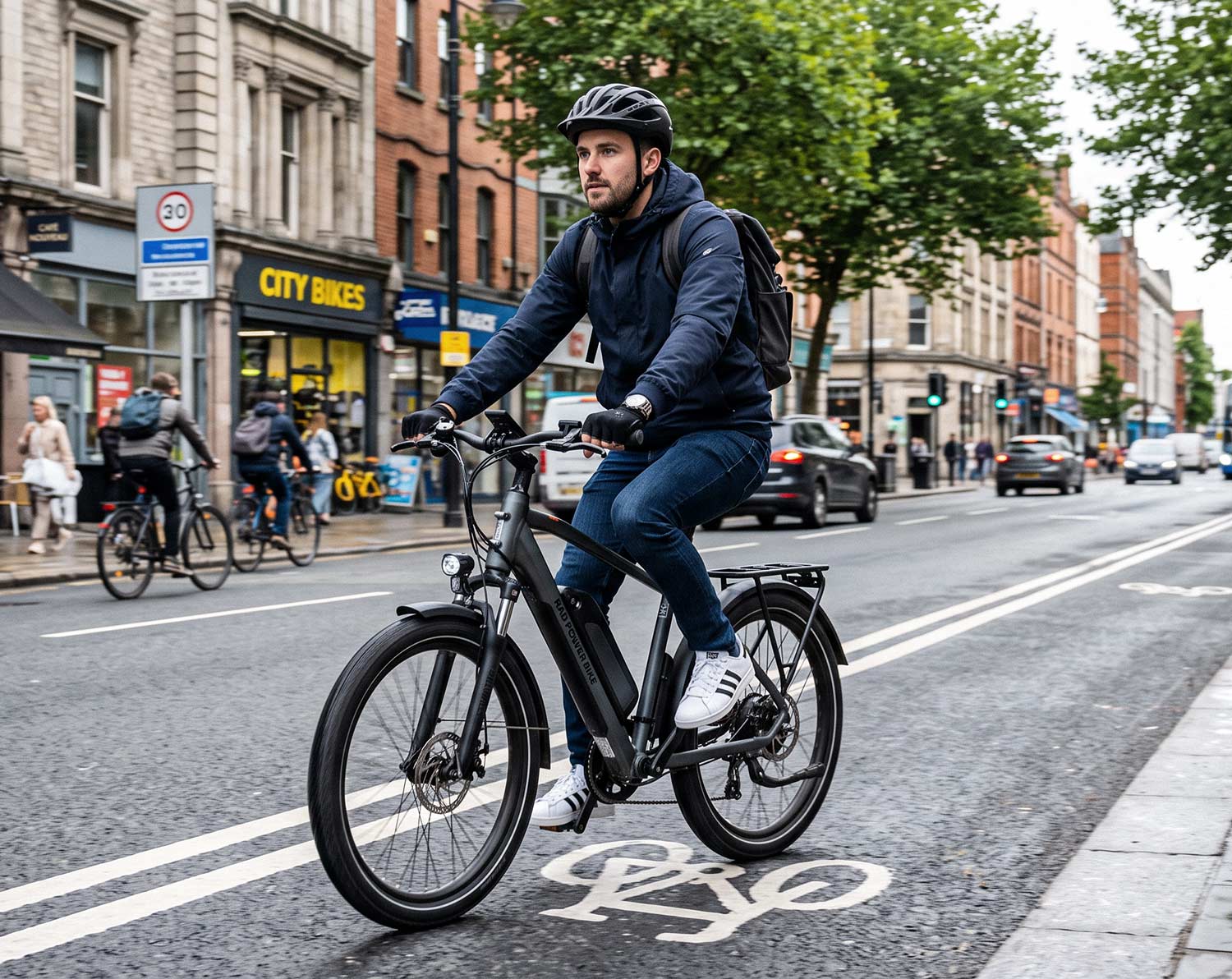
Electric Bike Style: How To Dress For City Rides And Weekend Routes
Riding an electric bike does not mean dressing like a professional cyclist. For men who prefer their everyday style, jeans, a lightweight jacket and comfortable trainers may be enough for many short journeys. But cycling involves repeated leg movements, time in the saddle, wind and changing weather, all of which affect how clothing feels.
Practical cycling style is all about balancing comfort, safety and your unique personal taste. Whether you are riding to a café after work or heading to a park at the weekend, a few considered choices can make an outfit work both on and off the bike. If you want to learn more, keep reading.
Think About Your Route Before Choosing What To Wear
Before choosing cycling clothes, consider your route, how long you will be riding, and the weather. A short trip to a shop or café rarely calls for a full cycling outfit; everyday clothes are fine if they allow free movement and do not create a safety issue.
For longer rides, your overall comfort is the most important factor. Avoid tight trousers, as they can restrict movement around the knees, and tops that don’t breathe well can quickly become uncomfortable. Fabrics with a little stretch are often the most practical choice.
Weekend routes through the local park or country lanes also demand planning for changing weather patterns. Temperatures can drop, or a shower can arrive unexpectedly (especially in the UK!), so a lightweight packable jacket may be more useful than a bulky coat.
Choosing Trousers: Comfort Matters More Than Trends
Your choice of trousers deserves particular attention. A very tight fit can restrict your movement as you pedal, while loose or long hems may catch on the chain or other moving parts (potentially causing an accident on the road).
Stretch Denim For Everyday Casual Style
Jeans are a classic option that works with most casual outfits. For short urban rides, a little stretch (usually 1-2 per cent for men’s styles) can preserve the familiar denim look while allowing easier movement when you are on your bike. It is best to steer clear of cuts that are too tight around the thighs and knees (such as skinny jeans).
Chinos For City Rides And Social Plans
Chinos sit in the middle ground of looking smarter than joggers, but feel much more relaxed than a pair of formal trousers. Pair them with a T-shirt, polo shirt or casual jacket for an outfit that works both on the bike and at a café or restaurant after your ride.
Joggers For Relaxed Weekend Rides
Joggers can be comfortable for relaxed weekend rides. Choose a breathable, well-fitting pair, and keep the hems clear of the chain, gears and other moving parts. Additionally, choose colours that don’t show any splashes of mud or water during poor weather conditions (such as charcoal, navy, brown, black). Consider investing in trouser clips to help secure loose fabric.
Tops And Jackets: Layering Is More Practical Than Heavy Clothing
UK weather can change suddenly, especially when mornings and evenings are cool (it can be sunny one moment and then hammering down with rain the next!). Several lighter layers are often more adaptable than one thick coat, so plan accordingly.
Base Layer: T-Shirts And Breathable Tops
A cotton T-shirt works for a simple short ride, whereas moisture-wicking fabric would be better for longer journeys. White, grey, navy and black are easy to pair with everyday clothes, and will always look fashionably on-point.
Mid Layer: Sweatshirts And Lightweight Knitwear
A lightweight sweatshirt or jumper adds warmth without the bulk of a winter coat. Keep away from anything overly branded; instead, grab a plain design which will pair easily with chinos or dark denim.
Outer Layer: Lightweight Windproof And Waterproof Jackets
A lightweight windproof or waterproof jacket is invaluable for regular outdoor rides. However, always double-check that it remains comfortable when you lean forwards on your bike, and look for adjustable cuffs and hems to limit flapping fabric. Furthermore, a removable outer layer is a versatile wardrobe addition which is easy to take off when the day warms up and put back on if it turns cool or wet.
Footwear Matters: Balance Pedal Grip With Everyday Style
Shoes can influence the visual look of an outfit and how securely your feet sit on the pedals. Specialist cycling shoes are a worthy purchase for professionals but are not essential for casual riders. Instead, slip on a pair of sports trainers with strong grips on the soles and a secure fit for your everyday activities (they also work perfectly when you hop off the bike for a street-style ensemble).
A few combinations are easy to work with:
- Jeans and simple trainers: a relaxed choice for everyday urban rides.
- Chinos and low-profile casual shoes: suitable if you are heading somewhere straight after cycling.
- Joggers and training shoes: a practical combination for weekend rides and outdoor adventures.
Another important point is to look for footwear which provides secure laces and a sole that sits steadily on the pedals. Very smooth soles may offer less grip, and loose laces can get caught in the bike’s moving parts. Flip-flops and shoes that slip off easily are something that should be avoided (even in the summer!).
Helmets, Gloves And Visibility Gear Can Work With Everyday Style
It is easy to focus on clothing and overlook safety essentials such as helmets, gloves and lights. You do not need to opt for overly technical-looking styles; simple designs and colours can work with an everyday wardrobe.
Start with a properly fitted helmet
A helmet should meet the relevant safety standards for your region, fit correctly and remain secure while riding. Don’t just choose one based on appearance alone or overlook its protective performance.
Gloves can make riding more comfortable
Gloves add warmth in cold weather and can help to improve grip. Choose a pair that does not interfere with braking or gear changes.
Choose eyewear to suit the conditions
Eyewear can help shield your eyes from wind, dust and road debris, but should not restrict your field of vision (no matter how “cool” they look!).
Do not overlook lights and reflective details
For evening rides, consider reflective details and check that both lights work (to help with road safety). A simple helmet, understated gloves and discreet reflective accessories can remain practical without dominating an outfit.
Bags And Accessories Should Be Useful, Not A Burden
A backpack can carry a water bottle, a spare layer of clothing, your phone, and keys, but avoid overloading it and make sure the straps stay secure. A frame bag or rear-rack bag is a great alternative if you prefer not to carry items on your back.
When choosing a bag, check that its straps are secure, the openings are easy to use, and the material offers some water resistance. It should have enough room for your essentials without interfering with the bike and your riding ability. Black, navy and grey are versatile choices, while long, loose straps should be avoided because they can catch in moving parts.
The Type Of Bike Can Influence Your Clothing And Equipment Choices
Your clothing choices also depend on the bike. Frame design, riding position and intended use all matter. A bike used mainly for short urban journeys may suit ordinary casual clothing, while longer rides call for breathable fabrics, comfortable trousers and a practical way to carry belongings.
If your routes include mixed surfaces, tyre size and suspension may also be worth considering. Models can differ in comfort, weight and storage options. When deciding what suits your routine, compare different electric bike options, looking at frame design, tyre specifications, and intended use.
The aim is not to choose the bike with the longest feature list. It is to find one that fits the way you actually travel and spend your time. That makes it easier to choose clothing and accessories that work with your riding habits.
How Folding Design Can Make Everyday Riding More Flexible
For people living in flats or homes with limited storage, a folding electric bike may be worth considering. A folding frame can reduce the space needed at home and may make car transport easier (always check the folded dimensions to ensure the bike is suitable).
However, folding does not automatically mean lightweight. Models with wide tyres, larger batteries and suspension can still be heavy. If you need to carry a bike up and down stairs, check its weight before buying.
When comparing different folding electric bike models, look beyond the folding mechanism itself. Check the folded dimensions, total weight and how easy the bike is to move when folded. The main benefit of a folding design is greater flexibility for storage and transport. The key takeaway is to remember that not every folding bike will be easy to lift or carry.
A Few Checks Before You Set Off
Suitable clothing helps, but a few checks before setting off are just as important. Whether you are riding to a nearby shop or heading out for the weekend, get into the habit of checking the following:
- Make sure trouser hems are not too long, and laces are secured.
- Check that your helmet is fitted correctly.
- Choose a jacket and gloves that suit the weather.
- Make sure the front and rear lights are working.
- Check that tyre pressure is appropriate.
- Test the brakes before setting off.
- Secure your phone, keys and other belongings.
- Check the forecast and take an extra layer if needed.
These quick checks can help prevent avoidable problems during a ride.
Good Cycling Style Does Not Mean Giving Up Your Personal Style
Riding an electric bike doesn’t mean abandoning your signature style or buying lots of specialist clothing. Choose practical trousers, shoes, outerwear and safety accessories, then adapt them to your route and bike. For most men, a good cycling outfit feels comfortable on the bike and still looks natural when they get off and continue with the rest of the day.
Thanks for reading my latest lifestyle article. Remember to check back in regularly for new content and updates.
